

What Is Ectoin and Is It Worth Adding to Your Routine
Last updated on April 4th, 2026
In 1985, scientists discovered bacteria thriving in Egyptian salt lakes where most living things would die. Extreme UV radiation, near-complete dehydration, salt concentrations ten times higher than seawater. These bacteria didn’t just survive, they thrived, and the molecule responsible was ectoin.
That same molecule is now showing up in skincare formulations worldwide, and the science behind why is fascinating.
Ectoin forms protective shells around your skin cells, preventing water loss and calming inflammation. It also shields against environmental damage like UV radiation and pollution. And it works differently from hyaluronic acid, glycerin, and niacinamide, which is what makes it particularly useful for certain skin concerns.
In this article I’ll break down how ectoin works, what the research shows, how it compares to ingredients you already use, and whether your skin needs it.

What Is Ectoin in Skincare?
Ectoin is an amino acid derivative, and scientists classify it as an extremolyte. Extremolytes are molecules that living organisms produce specifically to protect themselves under extreme stress.
The molecule is small, neutral, and non-ionic, which means it penetrates skin effectively without causing irritation. Unlike many active ingredients that work by disrupting or accelerating cellular processes, ectoin works by stabilizing what’s already there. It protects your skin’s existing structures rather than forcing changes, and that’s why even sensitive skin tolerates it well.
Ectoin has been used medically in Europe for decades, particularly for treating inflammatory skin conditions like eczema and atopic dermatitis. The studies behind it are substantial, the mechanism is well understood, and the safety data is extensive.
How Does Ectoin Work?
Most hydrating ingredients work by pulling water to your skin’s surface, but ectoin goes deeper. It works at the cellular level, helping your skin cells hold onto water rather than just sitting on top.
Ectoin binds to water molecules in a highly organized way, forming stable complexes that wrap around your skin’s cellular structures, including proteins and cell membranes. Think of it as a protective water shield surrounding each critical component of your skin and preventing it from breaking down under stress.
These shields do two things simultaneously. They keep water locked inside your skin cells so it doesn’t escape through your barrier. They also protect the underlying structures from environmental stressors that cause inflammation and accelerate aging. Humectants like glycerin and hyaluronic acid only do the first part. Ectoin does both.
It’s reinforcing the structures that hold moisture in place, which is why your hydration levels stay elevated even after you stop using the product.

Illustration inspired by research from ectoin.net
6 Ectoin Benefits for Skin
1. Long Lasting Hydration
Ectoin delivers hydration that goes beyond surface moisture. A study showed hydration levels increased by 200% and stayed elevated even a week after people stopped using it. This happens because ectoin strengthens the structures inside your skin that hold water in place, rather than just adding moisture temporarily.
2. Barrier Repair
A compromised barrier is behind many chronic skin problems, from persistent dryness to sensitivity to irritation that won’t resolve. Ectoin rebuilds your barrier’s ability to hold onto water rather than just temporarily patching the surface. Higher concentrations of 5 to 7% are approved as medical treatments in Europe specifically for eczema and atopic dermatitis, which reflects how seriously its barrier repair properties are taken clinically.
3. Anti-inflammatory Properties
Ectoin reduces inflammation without the risks that come with steroids. Research found that 1% ectoin performed comparably to hydrocortisone cream in reducing redness, but without thinning the skin or triggering rebound effects. For anyone managing chronic irritation, that means you can calm your skin consistently without making it more fragile over time.
4. Soothing Sensitive Skin
Ectoin helps your skin tolerate treatments it would otherwise struggle with. One study showed women with sensitive skin tolerated retinol significantly better when they added ectoin to their routine. That means you can stay consistent with effective actives without the irritation that usually makes people quit.
5. Environmental Protection
Ectoin shields your skin from daily environmental damage that accumulates over time. Research shows 100% protection of epidermal immune cells from UV damage in vivo, the type that contributes to aging and skin cancer risk. It also protects against pollution and blue light exposure.
6. Ectoin for Wrinkles and Anti-aging
A four-week study found a 19% reduction in wrinkle depth around crow’s feet in all participants. These results come from ectoin protecting your skin’s structural proteins, reducing free radical damage, and keeping your barrier functioning properly. Your skin stays healthier and more resilient for longer.
Is Ectoin Good for Your Skin
Ectoin works for all skin types, but it’s most valuable when your skin has a specific problem to solve. If you’re dealing with barrier damage, chronic dehydration, sensitivity, or irritation from actives like retinoids and acids, ectoin strengthens the barrier structures behind those problems. It’s also worth considering if you live in harsh climates, use strong prescription treatments, or are recovering from a procedure like microneedling or a chemical peel.
For skin that’s already comfortable and balanced, the benefits are modest.
Ectoin vs Hyaluronic Acid, Niacinamide and Glycerin
Ectoin vs Hyaluronic Acid
Hyaluronic acid is a humectant. It attracts water and holds it at your skin’s surface, up to 1000 times its weight in water, which is why it delivers that immediate plump, hydrated feeling. It’s excellent at what it does.
Ectoin works deeper. Rather than pulling water to the surface, it protects the cellular structures that keep water inside your skin in the first place. So while hyaluronic acid adds hydration, ectoin helps your skin hold onto it longer.
Both ingredients complement each other well because they target different parts of the same problem. Hyaluronic acid brings water in. Ectoin strengthens your barrier so that water doesn’t escape. Many effective formulations combine both for exactly this reason.
Ectoin vs Niacinamide
Both niacinamide and ectoin calm inflammation and support the barrier, but they work through completely different mechanisms and solve different problems.
Niacinamide is a form of vitamin B3. It reduces sebum production, minimizes the appearance of pores, brightens uneven skin tone, and strengthens the barrier by increasing ceramide production. It’s one of the most versatile ingredients in skincare.
Ectoin works specifically at the hydration and protection level. It forms protective water shields around your skin cells, something niacinamide doesn’t do. It doesn’t regulate oil, brighten skin tone, or affect ceramide production.
For oily, acne prone, or uneven skin, niacinamide is the stronger choice. For dehydrated, sensitive, or environmentally stressed skin, ectoin is more targeted. But they work well together and there’s no reason you can’t use both.
Ectoin vs Glycerin
Glycerin is a humectant. It pulls water from the environment and deeper skin layers to the surface, it’s inexpensive, and almost every skin type tolerates it well. For basic hydration, it works.
Ectoin works differently. Rather than pulling water to the surface, it forms protective complexes around your skin’s cellular structures that prevent water from escaping in the first place. It also shields against environmental damage, something glycerin doesn’t do.
So if your skin is generally comfortable and you just need hydration, glycerin is effective and accessible. But if you’re dealing with barrier damage, chronic dehydration, or sensitivity that regular moisturizers haven’t resolved, ectoin works at a level glycerin doesn’t reach.
How to Use Ectoin in Your Skincare Routine
Ectoin is one of the easier ingredients to add to your routine because it works well with everything.
If you’re using an ectoin serum, apply it after cleansing and before heavier products like moisturizers or facial oils. If you’re using an ectoin moisturizer or cream, it goes on last. Lighter textures go on before heavier ones, and ectoin follows that same principle regardless of the product format.
You can use it morning and night without concern about overuse or tolerance buildup. Look for water based formulations, and the best products pair ectoin with complementary ingredients like hyaluronic acid, ceramides, or panthenol rather than using it alone.
Concentrations range from 0.5% to 7%. Lower concentrations work well for daily maintenance while higher concentrations of 5 to 7% are better suited for intensive barrier repair.
Best Ectoin Products
Finding a good ectoin product comes down to concentration, formulation, and what your skin needs.
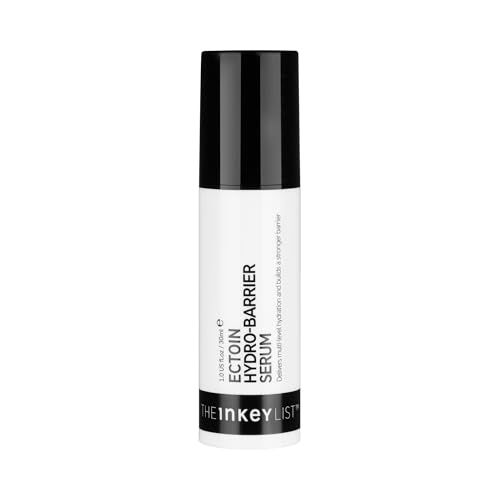
The Inkey List Ectoin Hydro-Barrier Serum gives you 2% ectoin at an accessible price point. The gel texture absorbs quickly and layers well under other products. If you’re newer to barrier focused ingredients or your skin is generally healthy but occasionally reactive, this is a sensible place to start.
Paula’s Choice 7% Ectoin + Hyaluronic Acid Milky Hydrating Serum combines a high ectoin concentration with hyaluronic acid, which means it addresses both barrier repair and surface dehydration at the same time. The milky texture feels emollient going on. It’s a strong option if your skin feels persistently dry and reactive despite using regular moisturizers.

Prequel 5% Ectoin Cream pairs ectoin with urea, and that combination does something most ectoin products don’t. Urea loosens the buildup of dead skin cells while ectoin repairs the barrier underneath, which makes this particularly effective for keratosis pilaris, rough patches, or skin that feels both dry and textured. It absorbs without leaving a greasy residue.

Abib Ectoin Panthenol 11% Moisturizer combines ectoin with 11% panthenol, a concentration high enough to support real barrier recovery. Panthenol draws water into the skin and improves barrier flexibility, so pairing it with ectoin makes this particularly useful for skin that is actively compromised rather than just occasionally dry. Use it at night because the richer texture causes sunscreen to pill during the day.

Ectoin Side Effects and Safety
Clinical studies show no reported side effects even at higher concentrations, and ectoin has been used safely in children as young as two years old to treat atopic dermatitis. That tells you a lot about how well this ingredient is tolerated.
It works by stabilizing your skin’s existing structures rather than forcing changes, so it doesn’t cause irritation, sensitization, or the adjustment period you get with ingredients like retinoids or acids. You can start using it without any gradual introduction.
The only contraindication is a known allergy to ectoin itself, which is extremely rare. If you’re pregnant, breastfeeding, or under medical care for a specific skin condition, check with your healthcare provider before adding it to your routine.
The Bottom Line
Ectoin is a well researched ingredient with solid clinical evidence and an excellent safety profile. If your skin is struggling, whether from barrier damage, chronic dehydration, sensitivity, or irritation from actives, it’s worth adding to your routine.
For skin that’s already comfortable and balanced, the benefits will be modest. But if your barrier needs support, ectoin works best alongside ceramides and hyaluronic acid rather than on its own.

