How to Use Retinol on Sensitive Skin Without the Irritation
Last updated on June 20th, 2026
Using retinol on sensitive skin has a reputation problem. The ingredient works, the research is solid, and the results are real. But the irritation, the peeling, and the weeks of redness have convinced a lot of sensitive skin people that retinol simply is not for them.
Most of the time, the problem is not the ingredient. It is the introduction.
As a pharmacologist, I have watched people give up on retinol far too soon, convinced their skin was too reactive, when really the approach was the issue. Start too fast, too strong, on an unprepared barrier, and your skin will fight back every time.
This guide shows you how to do it differently.
Quick note: retinol is one type of retinoid. For the full breakdown of how they differ, see my Retinoids vs Retinol guide.

Retinol Side Effects and Benefits for Sensitive Skin
Sensitive skin reacts to retinol with peeling, redness, dryness, and irritation. This happens because retinol speeds up skin cell turnover, and when that process suddenly accelerates, your skin goes through the retinization phase while it adjusts. For sensitive skin, which already has a compromised barrier and heightened reactivity, this phase feels more intense than it does for other skin types.
But the retinization phase is temporary. It is not your skin rejecting retinol. It is your skin adjusting to a faster pace, and once it does, the benefits are real. Fine lines soften, texture smooths, dark spots fade, and your barrier actually gets stronger with consistent use.
The problems almost always come from pushing too hard too fast, starting at too high a concentration, or applying retinol to a barrier that was not ready. None of that is inevitable, and the rest of this guide shows you exactly how to avoid it.
Types of Retinol and Which is Gentlest for Sensitive Skin
Not all retinoids work the same way, and for sensitive skin, knowing the difference helps you choose a smarter starting point.
Your skin has to convert most over-the-counter retinoids into retinoic acid before they become active. The more conversion steps required, the more gradually the ingredient works, and the less immediate irritation you experience.
Retinyl esters, like retinyl palmitate and retinyl acetate, require the most conversion steps. They are the mildest option available, and for extremely reactive skin, they are a reasonable entry point. Results take longer, but your skin tolerates them well.
Retinol requires two conversion steps. It is what most over-the-counter products contain, and it is where most people with sensitive skin should aim to start. At 0.1 to 0.25%, it delivers real results without the intensity of stronger options.
Retinaldehyde sits one step closer to the active form than retinol, making it more potent per molecule. However, products like Avene Retrinal 0.05 use such low concentrations that sensitive skin generally tolerates them well.
Retinoic acid, sold as prescription tretinoin, is already fully active. It works fastest but causes the most irritation, and it is not a starting point for sensitive skin.
For most people with sensitive skin, start with a low concentration retinol at 0.1 to 0.25%, or retinaldehyde if your skin is extremely reactive. Build from there.
Now, lets get to the steps to using retinol on sensitive skin
Step 1: Preparing Sensitive Skin Before Starting Retinol
Most people skip this step entirely, and it is one of the main reasons retinol introductions go wrong.
Your skin barrier needs to be in good shape before retinol enters the picture. Applying it to dry, stripped, or compromised skin is like painting a wall with cracks in it. The results will not be what you hoped for, and the irritation will be far worse than it needs to be.
Start preparing two to three weeks before your first application.
Moisturize consistently and generously. Build your skin’s hydration up now, before retinol arrives and demands more from your barrier. A rich, bland moisturizer used daily is all you need.
Cut back to cleansing once a day. Every cleanse strips away some of your natural lipid barrier, which means more water loss and more sensitivity. Once daily is enough to keep your skin clean, and your barrier will thank you for the extra recovery time.
Audit your entire routine and simplify it. If you are using AHAs like glycolic or lactic acid, BHAs like salicylic acid, benzoyl peroxide, or vitamin C, stop now. Retinol is already going to accelerate cell turnover. Layering additional exfoliants on top damages your barrier further and makes the retinization phase significantly harder. You can reintroduce them later, once your skin has fully adjusted, but for now keep your routine to cleanser, moisturizer, and sunscreen. Nothing more.
Before your first application, patch test. Apply a small amount of retinol to your inner arm for a few nights. Sensitive skin can react unpredictably to new products, and your face is not the place to find that out for the first time.
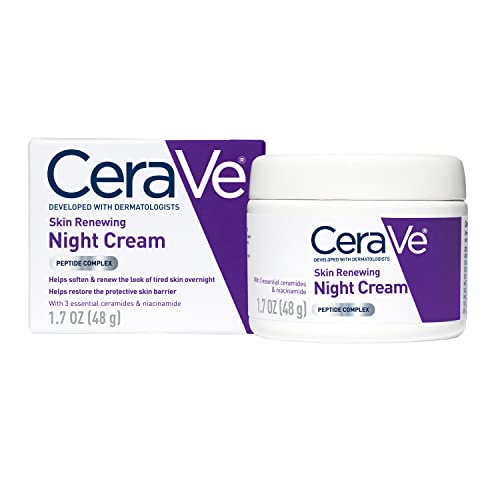
Good moisturizers to prep with include CeraVe Moisturizing Cream, CeraVe Skin Renewing Night Cream, Aveeno Calm and Restore Oat Gel Moisturizer, and DML Forte.