

How To Improve Gut Health For Glowing Skin From the Inside Out
Last updated on February 27th, 2026
What if the secret to clear, glowing skin has nothing to do with skincare?
As a pharmacologist, that’s not a question I ask lightly. But the research on gut health and skin is compelling enough that it changes how I think about skin altogether. Your gut bacteria directly influence how clear, how bright, and how healthy your skin looks. When that balance is off, your face shows it.
Improving your gut health for glowing skin isn’t a wellness trend. It’s biology, and understanding it is where real change starts, from the inside out.

How Your Gut and Skin Are Connected
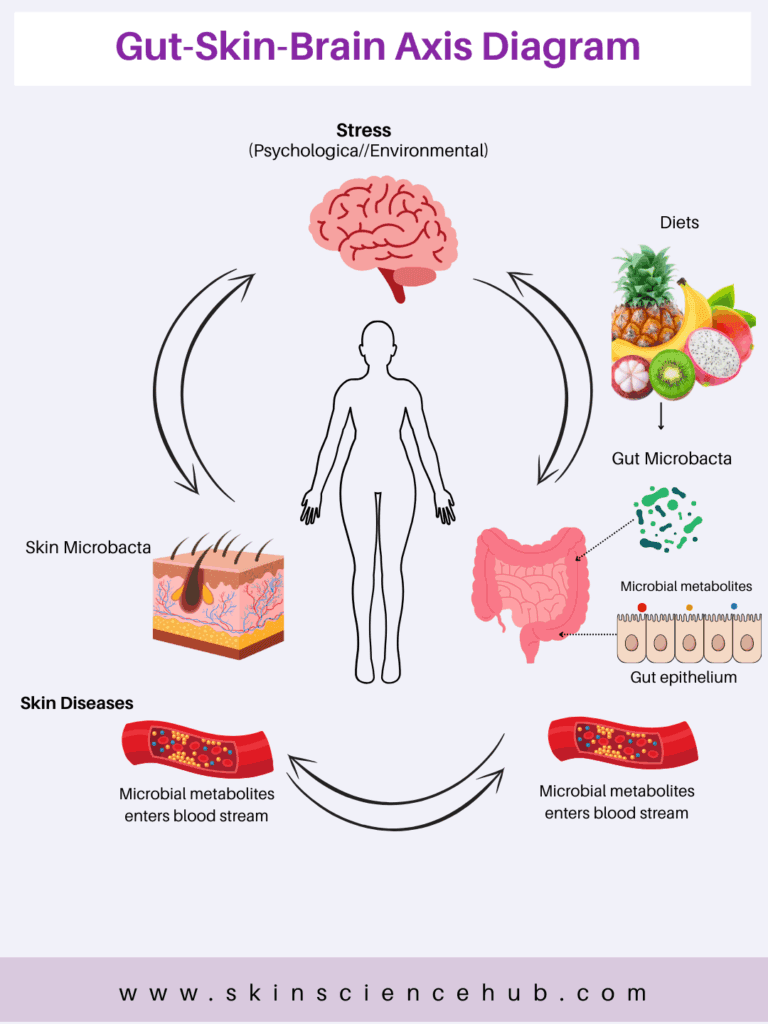
Your gut and your skin talk to each other constantly, through a network scientists call the gut-skin axis. When that conversation is running smoothly, your skin reflects it. When something disrupts it, your face is usually the first place you notice.
Here’s how it works. Your gut is home to trillions of bacteria, and the balance between beneficial and harmful ones matters enormously. Beneficial bacteria like Lactobacillus produce anti-inflammatory compounds that keep your immune system calm and your skin barrier strong. When harmful bacteria take over, they trigger inflammatory signals that travel through your bloodstream and show up as acne, rosacea, eczema, or just dull, uneven skin that won’t respond to anything you put on it.
Research backs this up. Studies show that 65% of people with acne have bacterial DNA circulating in their bloodstream, which is evidence of increased intestinal permeability, or what’s commonly called leaky gut. People with clear, glowing skin rarely show this pattern. Since your gut houses 70% of your immune system, inflammation there almost always means inflammation on your face.
Stress makes this worse. When your brain senses pressure, it sends signals that directly alter your gut bacteria and weaken your gut lining. Those disruptions then show up on your skin, which is why a stressful week often brings a breakout with it. Your gut, brain, and skin are in a three-way loop, and each one affects the other two.
What Disrupts Your Gut Health and Shows Up on Your Skin
Several everyday factors throw your gut microbiome off balance, and your skin is often the first place you see the consequences.
Chronic stress is one of the biggest culprits. It feeds harmful bacteria while starving beneficial ones, and because your gut and brain are in constant communication, a stressful period doesn’t just affect your mood. It directly alters your gut bacteria composition, and your skin follows shortly after.
Frequent antibiotic use is another major disruptor. Antibiotics don’t discriminate between good and bad bacteria. They wipe out both, leaving your gut vulnerable while it slowly tries to rebuild what it lost.
Ultra-processed foods and added sugars make things worse because harmful bacteria thrive on them, while your beneficial bacteria struggle to survive. What you eat is essentially choosing which bacteria you feed.
Regular alcohol consumption and frequent NSAID use damage your gut lining directly, making it more permeable over time. And poor sleep disrupts the natural rhythms your gut bacteria depend on to function well.
When these factors stack up, the result is gut dysbiosis, where harmful bacteria outnumber beneficial ones. Toxins that should stay in your intestines enter your bloodstream instead, your immune system responds with inflammation, and your skin becomes one of the most visible places that shows up, as breakouts, redness, or dullness that won’t budge no matter what you apply.
How To Know If Your Gut Is Affecting Your Skin
The most telling pattern is digestive symptoms and persistent skin issues appearing together. If you regularly experience bloating or irregular bowel movements alongside skin that stays dull, congested, or broken out, your gut likely plays a role. These symptoms don’t always show up at the same time, because Monday’s digestive disruption can easily trigger Wednesday’s breakout. That delay is exactly why most people never connect the two.
Pay attention to how your skin responds after eating. If it tends to get worse one to two days after dairy, gluten, or sugar, that delayed reaction suggests your gut is struggling to process those foods properly, and the inflammation ends up on your face.
Location gives you clues too. Deep, cystic breakouts along your jawline and cheeks often have more to do with gut inflammation than hormones, especially when nothing you apply topically is improving them.
High stress periods or a course of antibiotics followed shortly by a skin flare are also worth noting. These aren’t coincidences. They’re your gut-skin axis responding to disruption.
One important thing though. These patterns suggest gut involvement but they don’t confirm it. If your skin issues are severe, persistent, or causing real distress, see a dermatologist rather than trying to self-diagnose.
The Best Foods For Gut Health and Glowing Skin

Food is where gut health improvement actually begins, and the good news is that you don’t need to overhaul everything at once. Small, consistent additions make a real difference over time.
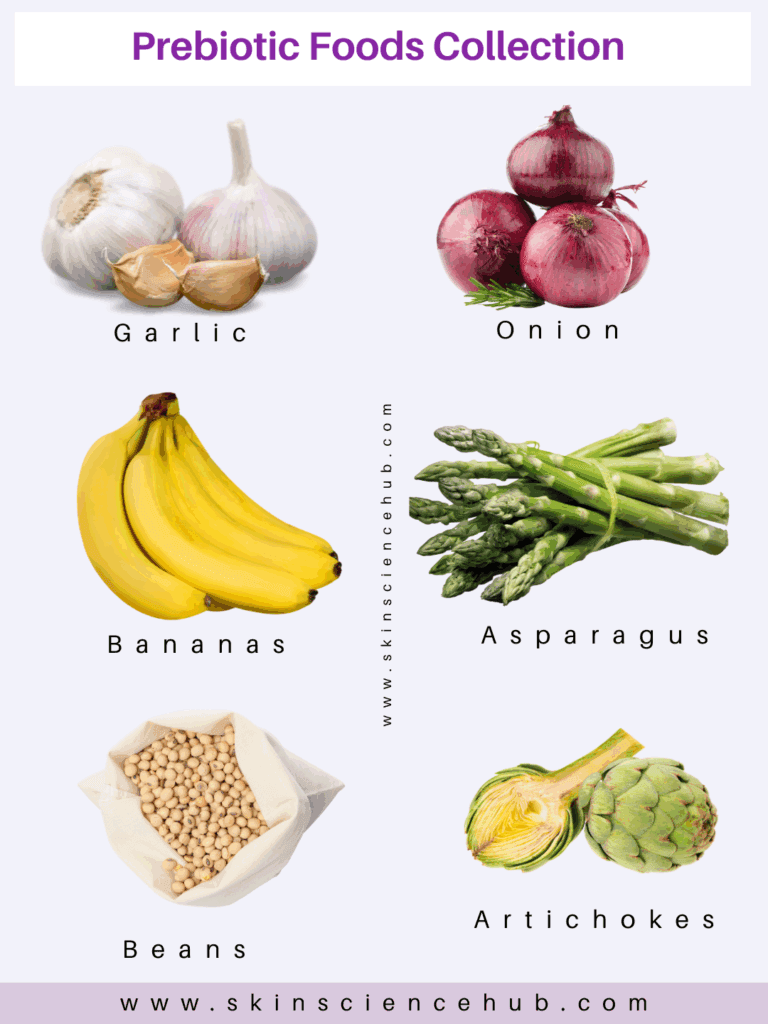
Start with prebiotic foods, because these feed the beneficial bacteria already living in your gut. Garlic and onions are the easiest place to begin since they work in almost any meal. Bananas, oats, and beans are good next steps, especially if your gut isn’t used to high-fiber foods yet. Go gradually. Too much too soon can cause bloating, which defeats the point.
Fermented foods come next, and these are where things get interesting. Yogurt, kimchi, sauerkraut, and kefir introduce beneficial bacteria directly into your gut. They work. But choose unsweetened varieties because added sugar feeds the harmful bacteria you’re trying to crowd out.
Fatty fish is worth eating regularly too. The omega-3s in salmon, mackerel, and sardines reduce systemic inflammation, which means less inflammation reaching your skin. Berries and leafy greens protect your gut lining through antioxidants, and extra virgin olive oil supports bacterial diversity while strengthening your skin barrier from the inside.
On the other side, refined sugars and ultra-processed foods actively feed harmful bacteria. You don’t need to eliminate them entirely, but reducing them consistently gives the beneficial bacteria room to thrive.
One thing to keep in mind is that food alone takes time to shift your microbiome. You won’t see skin changes overnight, but you will feel digestive improvements within a few weeks, and your skin follows after that.

9 Steps To Improve Gut Health For Glowing Skin
These steps work best when you build them gradually rather than attempting everything at once. Your gut took time to get where it is, and it needs time to shift. Pick two or three to start, get consistent with those, then add more.
- Drink enough water every day. Your gut lining needs hydration to function properly, and dehydration slows gut motility, which means waste and toxins stay in your system longer than they should. Aim for your urine to stay light yellow throughout the day. That’s your most reliable hydration guide.
- Eat as wide a variety of plants as you can. Diversity feeds diversity. Different beneficial bacteria thrive on different plant fibres, so the more variety you bring in, the richer and more resilient your microbiome becomes. Aim for as many different vegetables, fruits, legumes, and whole grains across your week as feels realistic.
- Track your food and skin together. Keep a simple note on your phone. Write down what you eat and how your skin looks one to two days later. Patterns emerge quickly when you actually look for them, and they’re often surprising.
- Stop eating three hours before bed. This gives your gut lining time to repair overnight rather than spending that time digesting. Extending the gap between your last meal and breakfast to twelve hours supports this repair process further, and your skin’s overnight renewal benefits from it too.
- Manage stress consistently. Stress directly alters your gut bacteria, so managing it isn’t optional if glowing skin is your goal. Walking, deep breathing, and proper downtime all work. Pick one and stick to it.
- Prioritize sleep. Seven to nine hours is where your gut and skin both do their best repair work. Poor sleep disrupts your gut bacteria’s natural rhythms, and your skin reflects that the next morning as puffiness, dullness, and uneven tone.
- Move your body daily. Twenty to thirty minutes of walking improves gut motility, supports bacterial diversity, and reduces stress hormones. It’s one of the most underrated things you can do for both your gut and your skin.
- Reduce the things that damage your gut lining. Alcohol, unnecessary NSAIDs, and artificial sweeteners all compromise your gut barrier over time. You don’t need to eliminate everything, but reducing them consistently gives your beneficial bacteria room to thrive.
- Consider a probiotic supplement only after you’ve built food habits first. Supplements work best as an addition to a solid foundation, not a replacement for one. A basic multi-strain probiotic can support what your diet is already doing, but it won’t compensate for a diet that’s still feeding the wrong bacteria.
How Long Before Your Skin Starts Glowing
Gut health changes don’t show up on your skin overnight, and knowing that upfront saves a lot of frustration.
Most people notice digestive improvements first. Less bloating, more regular bowel movements, fewer energy crashes after meals. These changes typically happen within two to four weeks, and they tell you the beneficial bacteria are establishing themselves and your gut environment is shifting.
Visible skin changes take longer. Eight to twelve weeks is a realistic timeline for most people, because you’re rebalancing your entire microbiome rather than just treating a surface symptom. That takes time no matter how consistent you are.
Before your skin visibly changes, watch for better energy, improved mood, and reduced sugar cravings. These are signs your gut-skin axis is responding even though your skin hasn’t caught up yet. They’re real progress.
Your individual timeline depends on how disrupted your gut was to begin with, how consistent you are with the changes, and factors unique to your biology. If results feel slow after eight weeks, look honestly at whether you’re eating prebiotic and probiotic foods daily and avoiding your personal trigger foods. Consistency counts more than intensity here.
When To See a Doctor About Your Skin and Gut
Most people see real progress through food and lifestyle adjustments alone. But some situations need professional eyes, not because the approach is wrong, but because certain conditions require proper diagnosis before you start trying to fix them.
See a doctor promptly if you experience severe abdominal pain, blood in your stool, or sudden onset of symptoms that feel new or different. These are not gut-skin connection issues. They need medical evaluation.
Consider seeing a specialist if you have persistent cystic acne that hasn’t improved after twelve weeks of consistent effort, chronic digestive symptoms that have lasted more than a month, or multiple food sensitivities that are making eating feel genuinely stressful.
The Bottom Line
Glowing skin isn’t built in your bathroom. It’s built in your kitchen, your sleep routine, and your stress habits. Your skincare products still have a role to play, but they work best when your gut is giving them something to work with.
Start with one prebiotic food and one fermented food this week. That’s it. Don’t overhaul everything at once because your gut responds better to gradual, consistent change than to dramatic overnight shifts.
The glow you’re after is a reflection of what’s happening internally. When your gut bacteria are balanced, your skin shows it. Not immediately, but reliably, and in a way that no topical product can fully replicate on its own.
Your skin is trying to tell you something. Start in your gut and watch what happens.


Great info! I know it affected overall skin health but I’m still working on my diet. Great place to start. Thank you!
I really enjoyed this read! It’s eye-opening to see how much our gut health can affect our skin. I’m definitely going to pay more attention to my diet and digestion. Thank you so much for sharing this!
My gut has been up and down and not consistent. This is so helpful, thank you!
As an esthetician, I completely agree! Don’t even get me started on the Oreo and celebrity special edition collabs they have going on.