How to Calm a Rosacea Flare Up Fast
Last updated on April 27th, 2026
Rosacea is a chronic inflammatory skin condition that causes persistent redness, visible blood vessels, and sometimes small pus-filled bumps on the face. It affects around 5% of adults worldwide and gets frequently mistaken for acne, which means many people spend years treating the wrong thing. Knowing how to calm a rosacea flare up changes that.
The condition runs in cycles, where calm periods get interrupted by flares that intensify rosacea redness, increase burning, and make the skin visibly reactive. There is no cure, but the inflammation responds well to the right combination of treatments and habits. To calm a rosacea flare up fast, apply a cold compress immediately to constrict blood vessels and reduce redness, then pull back on all active ingredients until the flare settles. From there, a consistent routine with a gentle cleanser, barrier-repairing moisturizer, daily sunscreen, and actives like azelaic acid and niacinamide reduces how often flares happen and how severe they get.
As a pharmacologist, I’ve looked carefully at the research behind each of these approaches. This article starts with what to do during an active flare, then moves into the daily habits and ingredients so your rosacea stays calm with fewer flares.

1. What to Do When a Rosacea Flare Hits

When a rosacea flare up hits, your first move is cooling the skin down. Cold compresses reduce rosacea redness quickly, and you feel the difference within seconds. They constrict dilated blood vessels and numb the burning nerve endings driving that heat sensation. Wrap ice in a soft cloth or soak a clean washcloth in cold water, then hold it gently against the affected areas for 10 to 15 minutes. Gel face masks kept in the freezer work particularly well because they stay cold longer and conform to your face more evenly.
At the same time, pull back on all actives. Azelaic acid, niacinamide, and even your regular moisturizer can sting when your barrier is this compromised, so reduce your routine to lukewarm water and a thin layer of plain petroleum jelly or Aquaphor until the worst passes, usually within one to three days.
When the burning starts to ease and the redness begins to fade, colloidal oatmeal can take the inflammation further down. The beta-glucan compounds in oatmeal reduce inflammatory signaling directly at the skin surface, which is why the relief feels almost immediate. Mix plain colloidal oatmeal powder with water into a paste and apply it to affected areas for 10 minutes, or use Aveeno Calm and Restore Oat Repairing Lotion if you want something ready to apply.
Pure aloe vera gel from the refrigerator is worth keeping on hand for the same reason. It combines physical cooling with genuine anti-inflammatory activity, so apply a thin layer to red burning areas and let it absorb fully. Pure aloe only, because added fragrance or alcohol will aggravate the flare.
Once the acute phase passes, reintroduce your routine one product at a time, starting with your gentlest cleanser and moisturizer before adding anything active.
2. Find Your Rosacea Triggers

Rosacea triggers vary significantly from person to person, and that variability is what makes the condition feel so difficult to predict. The only reliable way to find your specific triggers is to track them systematically.
Start with a simple notes app or journal. After each flare, write down what you ate, drank, did, and how you felt in the hours before it started. Patterns emerge within a few weeks that you simply cannot see day to day. You might discover that stress affects your skin far more than food does, or that cold wind triggers worse reactions than heat.
The most common rosacea triggers are sun exposure, hot and cold weather, wind, stress, hot beverages, alcohol, spicy foods, and intense exercise. Certain skincare ingredients trigger flares too, particularly fragrances, high alcohol formulas, and harsh exfoliants. Some people also react to specific foods like tomatoes, citrus, or dairy, though food triggers tend to be highly individual.
Once you know your specific triggers, you can avoid them deliberately. You stop cutting out everything randomly and start making targeted changes that actually reduce how often your rosacea flares.
3. Choose the Right Cleanser for Rosacea

Cleansing is where a lot of rosacea routines go wrong, and it usually comes down to water temperature and product choice.
Hot water feels soothing but it dilates blood vessels and triggers the exact flushing you’re trying to avoid. Cold water seems like it should help, but rapid temperature shifts cause just as much reactive redness as heat does. Lukewarm water works because your skin doesn’t have to react to temperature at all.
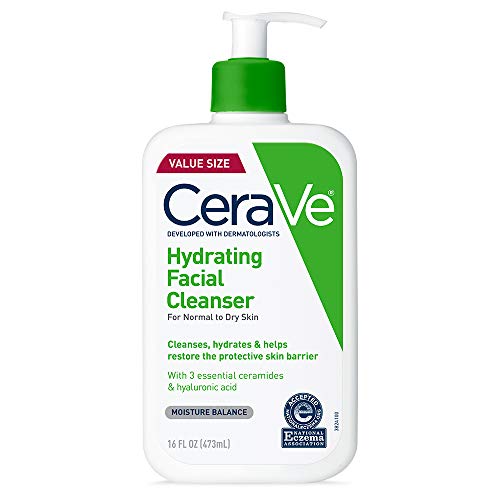
The cleanser itself needs to clean without stripping your barrier. Mild creamy formulas work best for rosacea-prone skin because they remove the day’s buildup without disrupting the lipid layer your skin depends on for protection. CeraVe Hydrating Cleanser adds ceramides that actively support barrier repair while you cleanse. La Roche-Posay Toleriane Hydrating Gentle Cleanser suits extremely sensitive skin that reacts to seemingly everything.
Cleanse with your fingertips only. Washcloths, spin brushes, and exfoliating tools damage a compromised barrier and set back everything else your routine is working to achieve.
Most people with rosacea do well with one proper cleanse per day, in the evening to remove sunscreen, sweat, and buildup. In the morning, lukewarm water alone is sufficient because nothing has accumulated on your skin overnight. Pat dry with a soft towel, because rubbing creates friction that can trigger immediate redness.