
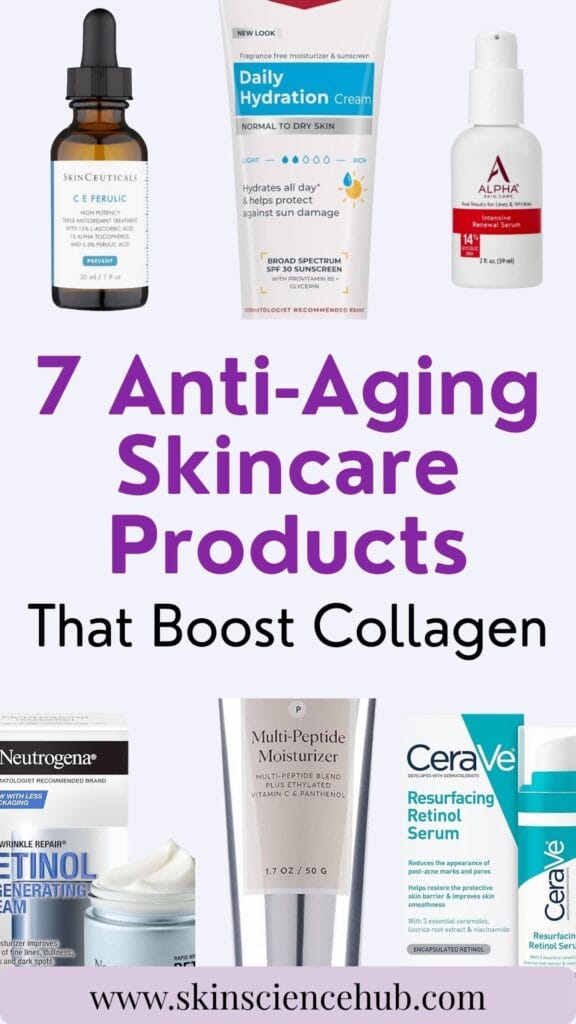
7 Anti-Aging Skincare Ingredients That Work According to a Pharmacologist
Last updated on June 20th, 2026 at 08:26 pm
Most anti-aging skincare products promise more than they deliver, and the collagen creams taking up half the shelf space at Sephora are a good example. Those collagen molecules are far too large to penetrate your skin barrier, so they sit on the surface doing nothing useful while you spend real money on them.
The anti-aging skincare ingredients that actually work take a different approach entirely. Rather than trying to add collagen from the outside, they trigger your skin to produce its own, while protecting what you already have from breaking down. And your skin barrier plays a bigger role in all of this than most people realise, because how well these ingredients penetrate and work depends partly on how healthy your barrier is.
With a pharmacology background, I can tell you exactly which ingredients have the evidence to do that, what each one does in your skin, and specific products worth your money.
1. Sunscreen Is the Most Important Anti-Aging Ingredient You Own (SPF 30+)
If your budget only allows for one anti-aging product, make it sunscreen. Not the $200 retinol serum, not the fancy peptide cream, but sunscreen. UV radiation is the single biggest driver of premature aging, and no amount of collagen-stimulating ingredients will outpace the damage the sun does every day you go without protection.
UV rays directly damage collagen fibers and trigger enzymes called matrix metalloproteinases that break down the collagen you already have. UV exposure also generates free radicals that degrade collagen and accelerate skin aging. Together, these two mechanisms are responsible for what dermatologists call photoaging, which accounts for the majority of visible skin aging and is almost entirely preventable.
Sunscreen is not just preventive either. Clinical studies show consistent users see measurable improvements in existing sun damage, including fading age spots, reduced wrinkle formation, and fewer precancerous lesions. Your skin repairs itself when you stop exposing it to daily UV assault.
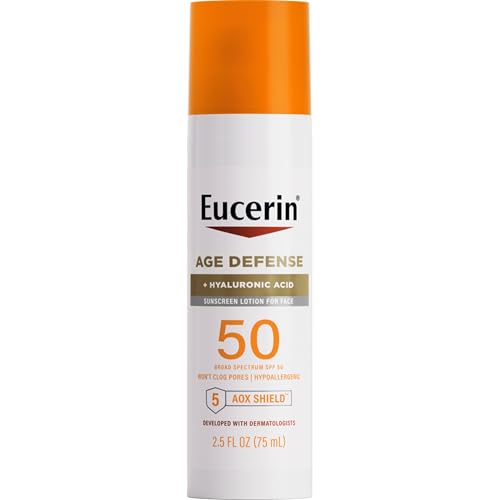
What to buy: Chemical, mineral, or hybrid does not matter. SPF 30 minimum and daily use does. For a tight budget, Eucerin Daily Hydration SPF 30 works well as a body sunscreen and is fine for dry skin on the face too. For your face, Eucerin Age Defense SPF 50 is nourishing without feeling heavy.
If you are willing to order online, Korean and Japanese sunscreens are affordable and comfortable to wear daily. Haruharu Wonder Black Rice Pure Mineral Relief Daily Sunscreen absorbs like a moisturizer with zero sunscreen smell, while Purito Daily Go-To Sunscreen is thicker and more hydrating for winter or dry skin.
One more thing. Bring sunscreen down to your neck, chest, and hands. These areas age just as visibly as your face, so treat them the same way.