
13 Ways to Boost Your Skin’s Collagen Naturally
Last updated on January 29th, 2026 at 09:22 pm
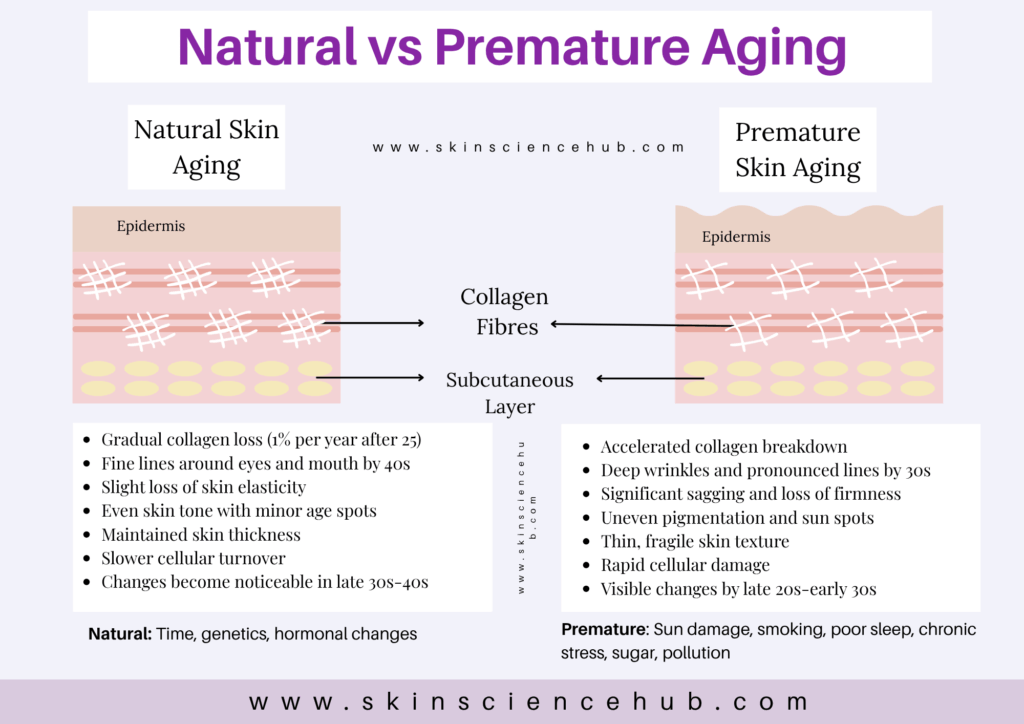
Your body loses 1% of its collagen every year. This started at 25. It won’t stop until half is gone by 60. You’re already seeing it. Fine lines that weren’t there before. Skin that doesn’t bounce back. That subtle sagging in photos.
So naturally, you look for solutions. The beauty industry sells collagen creams, but those molecules can’t penetrate your skin because they’re too large. The cream sits on the surface and does nothing for the collagen network underneath.
What actually works costs nothing. The methods are in your kitchen right now or they’re simple tweaks to habits you already have. As a pharmacologist, I’ve spent years reviewing this research. The most effective strategies aren’t creams or treatments but rather evidence-based lifestyle changes and specific foods your body uses to boost collagen naturally from within.

What Is Collagen and Why It Matters
Collagen is your skin’s scaffolding. It keeps everything firm and structured. Without it, your skin would collapse like a tent without poles. Elastin gives bounce, but collagen provides strength and makes up about 75% of your skin’s structure. When collagen breaks down, you see the results in your mirror every day.
Here’s what’s happening. Sun exposure breaks apart the collagen fibers holding your skin together, while sugar from your diet creates compounds called AGEs that make collagen stiff and brittle. Chronic inflammation triggers enzymes that digest your collagen from the inside. This breakdown happens quickly and it started years ago.
You can slow it down. Once you understand what’s damaging your collagen, you can protect what you have left and help your body make more. The foods and habits coming next do exactly that.
Best Foods That Build Collagen
Eating collagen doesn’t directly become collagen in your skin. Your body breaks it down into amino acids during digestion, then uses those building blocks wherever it needs them. So eating collagen won’t guarantee it ends up in your skin.
What works instead is giving your body the specific nutrients it needs to make its own collagen. Without these nutrients, your body can’t build collagen. These foods give you exactly what your body needs.
1. Protein-Rich Foods Build Collagen
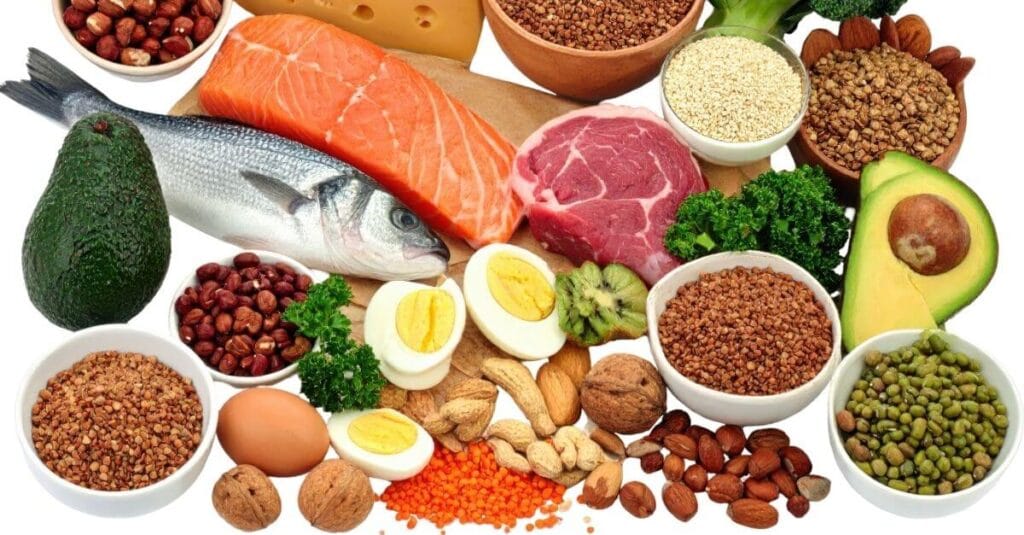
Protein is the raw material your body uses to make collagen. Your body needs specific amino acids to build it. Glycine, proline, hydroxyproline, and lysine work together to build collagen. You get them from complete proteins like lean meats, fish, eggs, bone broth, and legumes. Focus on eating a variety regularly.
Egg whites are particularly high in lysine, an amino acid your body needs to make collagen. Bone broth contains collagen peptides your body can use easily. If you’re vegetarian or vegan, you can get enough protein from lentils, beans, and tofu, though you’ll need to combine different plant proteins throughout the day to cover all the amino acids.
2. Omega-3 Fatty Acids Fight Inflammation

Your skin cells are surrounded by a fatty membrane. Omega-3 fatty acids keep it strong and fight the inflammation that destroys collagen. Most Western diets don’t give you enough omega-3s, which creates a problem because these fatty acids actively protect your collagen from breaking down. Without them, you can’t build collagen as effectively.
You get omega-3s from fatty fish like salmon and mackerel. Plant sources like walnuts, chia seeds, and flax seeds work too. I make sure to eat walnuts, chia seeds, and flax seeds every single day because these fatty acids benefit not just skin health but total body health through their anti-inflammatory effects.
3. Vitamin C Powers Collagen Production
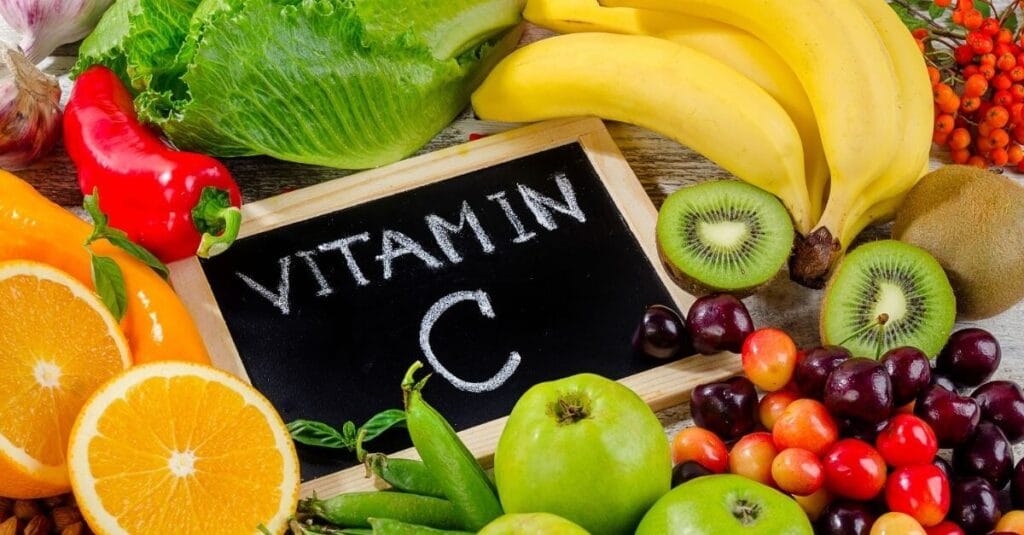
Vitamin C matters because your body cannot make collagen without it. Your skin’s vitamin C levels decline with age and environmental stress from UV radiation and pollution, so you need to get enough from your diet consistently.
You get vitamin C from dark leafy greens like kale and spinach, which also give you folic acid for skin cell division and DNA repair. Berries like blueberries, blackberries, raspberries, and strawberries give you vitamin C plus antioxidants that benefit your entire body. Citrus fruits work the same way. Kiwi contains even more vitamin C than oranges, which makes it a great choice.
4. Colorful Vegetables Protect Your Collagen

The pigments that give vegetables their bright colors also protect your collagen. Red and orange vegetables work in different ways but both help your skin.
Red vegetables like tomatoes, red bell peppers, and beets contain lycopene, which protects your collagen from free radical damage and helps your skin handle UV exposure better. Red bell peppers also give you high amounts of vitamin C. One cup has 190mg compared to 70mg in oranges.
Orange vegetables like carrots and sweet potatoes give you vitamin A for repairing damaged collagen and carotenoids that protect against UV damage. Get your vitamin A from whole foods, not supplements. Vitamin A is fat-soluble and can build up to toxic levels when you supplement. Unless your healthcare provider specifically recommends it, skip the pills and eat your vegetables.
5. Garlic Gives You Sulfur

Your body needs sulfur to make collagen, and garlic is one of the best food sources. That distinctive smell comes from sulfur compounds that help build quality collagen. Garlic also contains taurine and lipoic acid, which help rebuild damaged collagen.
Environmental stress and aging constantly damage your collagen. You can’t avoid it completely. But taurine and lipoic acid help your body rebuild those collagen proteins in your skin while garlic benefits your entire body, not just your skin.
6. Soy Gives You Plant Protein
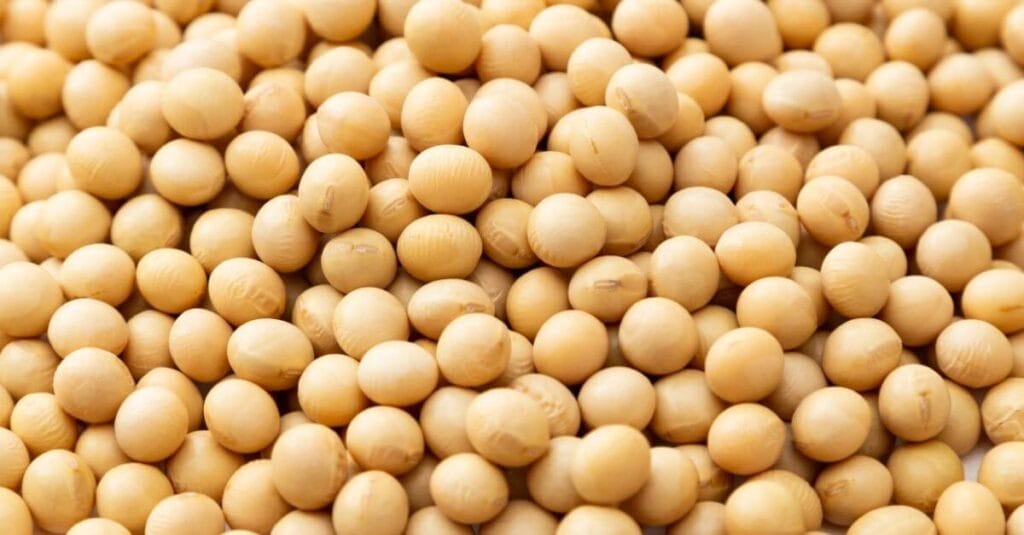
If you’re vegetarian or vegan, soy works well for varying your protein sources. Tofu, edamame, and soybeans give you complete amino acids your body needs to make collagen.
Soy contains isoflavones including genistein, which reduces inflammation in your body and inhibits matrix metalloproteinases. These are the enzymes that environmental stress triggers to break down collagen. Soy is also high in fiber, which supports gut health. If you’re not allergic to soy, add it to your diet as another protein source for building collagen.
7. Probiotics Support Your Gut
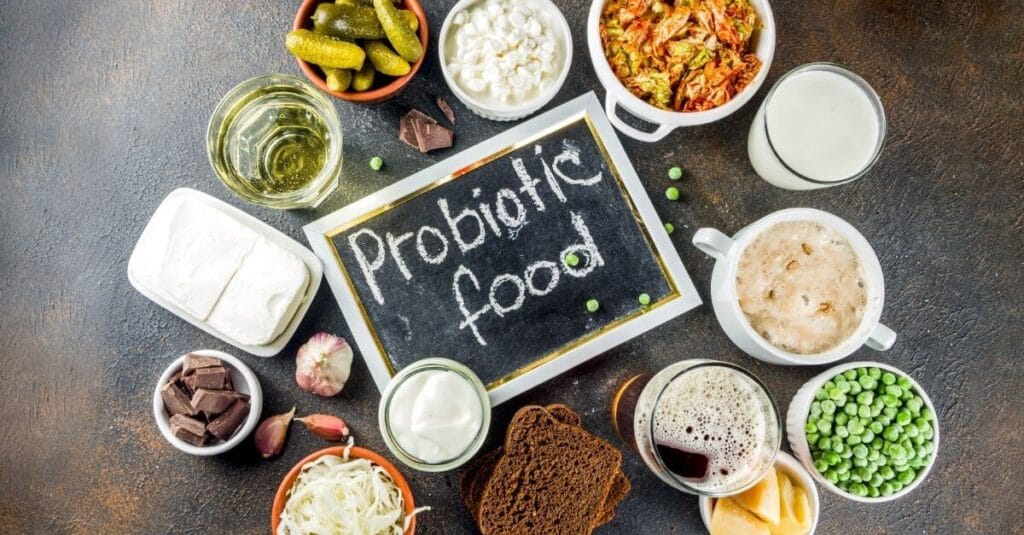
Your gut and skin are connected in ways that affect how your body makes collagen. Certain probiotics improve your skin barrier and reduce inflammation through this gut-skin connection, which helps your body make collagen more effectively.
You get probiotics from fermented foods like Greek yogurt, kefir, kimchi, sauerkraut, and miso. These beneficial bacteria support not just your digestive system but your skin health too. If you’re not eating fermented foods regularly, start adding one or two to your diet and see how your skin responds.
What to Limit for Collagen Protection

Building collagen is only half the battle. You also need to stop breaking down what you have. Certain dietary choices and cooking methods create compounds that actively damage your collagen, so knowing what to avoid matters just as much as knowing what to eat. You can eat all the right foods to build collagen, but if you’re constantly damaging it, you’re working against yourself.
Too much sugar creates compounds called AGEs or advanced glycation end products that make your collagen stiff and prone to breaking. Keep added sugars under 25g daily. But sugar itself isn’t the only problem because how you prepare your food matters too.
Foods cooked at high heat or fried have the highest levels of AGEs. Grilling, barbecuing, frying, and roasting at high temperatures all create more AGEs, while boiling, steaming, and slow cooking produce much lower levels. If you eat meat, choose leaner cuts because foods high in animal fat have higher AGE levels and switch from grilled to slow-cooked meats when you can.
Processed pastries and baked goods are high in AGEs because they’re very sugary and the preparation methods create more of them. Swap some out for fresh berries or a berry smoothie so you get antioxidants and better skin health without the AGE damage.
Daily Habits That Boost Collagen Naturally
Eat a variety of these collagen-supporting foods and actually enjoy them. You don’t need to eat only kale or only egg whites. If you hate kale, find other leafy greens or vitamin C sources you like. The goal is eating patterns you can stick with long term, not punishing yourself with foods you hate.
8. Wear Sunscreen Daily

Sunscreen prevents more collagen damage than any treatment can fix. UV rays create harmful molecules that break apart collagen fibers and activate enzymes that digest your collagen. Even everyday sun exposure adds up over time. Driving to work, sitting by windows, and walking outside all add to the cumulative damage. Your efforts to build collagen won’t matter if UV rays destroy what you make.
Use broad-spectrum SPF 30 or higher with zinc oxide, titanium dioxide, avobenzone, or octinoxate. Apply it every day. This one habit can prevent about 80% of visible aging.
9. Get Enough Sleep

Your body makes the most collagen while you sleep because growth hormone peaks during deep sleep and this hormone tells your body to make more collagen and repair damage. Adults need 7-9 hours not just to feel rested but because that’s when your skin repairs itself and builds new collagen. Without enough sleep, your skin can’t make and keep collagen properly.
10. Manage Stress

Chronic stress floods your body with cortisol, which stops your body from making collagen and increases the enzymes that break down collagen. You’re getting hit from both sides.
Managing stress doesn’t require expensive solutions. Even 10 minutes of deep breathing or regular walks can lower your cortisol levels. I’ve found that a 15-minute walk makes a visible difference in how my skin looks over time because cortisol responds quickly to movement. You don’t need a meditation retreat, just consistent practices that work for you.
11. Menopause Accelerates Collagen Loss

Menopause causes a sharp drop in collagen because estrogen directly controls how much collagen your skin cells make. Women lose about 30% of their collagen in just the first five years after menopause, which is a serious acceleration compared to the normal 1% yearly decline everyone experiences.
Hormone replacement therapy can help keep your collagen levels stable. Talk with your healthcare provider about whether the benefits outweigh the risks for you specifically.
12. Protect Against Environmental Damage

Air pollution breaks down collagen because pollution particles get into your skin and trigger inflammation that destroys collagen. Blue light from screens and heat exposure also contribute to breakdown, though less than UV damage does.
Wash your face thoroughly every evening and use a good moisturizer to keep environmental factors from penetrating deep into your skin. Your skin barrier is your first line of defense against pollution damage.
13. Quit Smoking

Smoking destroys collagen because tobacco compounds activate the enzymes that break down collagen while preventing your body from making new collagen. This creates accelerated aging throughout your entire body, not just your skin. Smokers often look 10-20 years older than they actually are.
If you smoke, quitting is the best thing you can do for your skin and overall health. No supplement, cream, or treatment can counteract the collagen destruction that smoking causes.
Bottom Line
The most effective strategies to build collagen cost nothing and they work better than expensive creams because they address root causes. Consistent sleep, daily sunscreen, and stress management prevent collagen breakdown while supporting your body’s natural ability to make more.
Focus on getting nutrients from whole foods rather than supplements because your body uses them more effectively. A diet rich in colorful vegetables, quality proteins, and omega-3 fatty acids gives you everything you need to build collagen and you’ll see better long-term results than you would from pills.
Expect to wait 8-12 weeks for visible changes because making collagen takes time. Anyone promising overnight results is lying or selling temporary cosmetic effects that don’t address your skin’s actual structure.
Some degree of aging is inevitable and normal. But you control how you support your skin’s natural ability to make collagen through evidence-based nutrition and lifestyle choices, and these methods actually work when you stick with them consistently.
Want to learn about topical skincare ingredients for collagen? Check out our guide to collagen-building skincare ingredients backed by science.