
How to Get Rid of Body Hyperpigmentation

Last updated on April 22nd, 2026 at 12:12 pm

Body hyperpigmentation is stubborn, and it doesn’t respond the way facial dark spots do. The spots on your knees, inner thighs, underarms, and back can sit there for months with very little change, even when you’re being consistent with products.

I deal with this myself. My legs are covered in dark spots from bug bites that stick around for months, and having darker skin means they show up prominently and fade slowly.

As a pharmacologist, I can tell you exactly why this happens. Body skin is thicker than facial skin, turns over more slowly, and gets hit daily by friction, shaving, and sun. You need higher concentrations, the right ingredients, and an understanding of what’s driving the pigmentation before anything will actually work.

This guide gives you that.

How to Get Rid of Body Hyperpigmentation
  • This post contains affiliate links. All recommendations based on ingredient research and formulation analysis. Purchasing from this link helps this site at no additional cost to you. Please read our affiliate disclosure for more information

What Causes Body Hyperpigmentation

1. Friction and Chafing

Friction is the number one cause of body hyperpigmentation. When skin rubs repeatedly against itself or clothing, it triggers inflammation, and your melanocytes respond by producing extra melanin to protect the area.

Your inner thighs darken from rubbing together during walking or exercise, your elbows from leaning on hard surfaces, and your knees from kneeling. Even tight waistbands and bra lines cause darkening over time from constant pressure.

The harder problem is that friction doesn’t stop, and that’s why this type of hyperpigmentation is so persistent.

For darker skin tones, the issue goes further. Repeated rubbing causes the epidermis to physically thicken, and that thickened skin adds another layer of darkness on top of the pigmentation itself.

2. Hair Removal

Shaving is the second biggest trigger, and it’s one most people don’t connect to their dark spots until the pattern becomes obvious. Every time you drag a razor across skin, you remove the top layer of cells and create microtrauma. That microtrauma triggers inflammation, and your melanocytes respond by producing more melanin.

Your underarms and bikini area are the most vulnerable because the skin there is thin and sensitive, yet these are the areas you shave most frequently. Waxing and epilating cause the same problem by yanking hair from the root, and even depilatory creams can irritate skin enough to trigger pigmentation, particularly if you have darker or sensitive skin.

And because you keep shaving, you keep feeding the inflammatory cycle before the last inflammation has fully resolved.

3. Sun Exposure

UV radiation triggers melanin production across your entire body, not just your face. Your chest, shoulders, upper back, arms, and legs all accumulate pigmentation from chronic sun exposure, and it builds up gradually, which is why most people don’t notice it until the damage is already significant.

The bigger problem is protection. Most people apply facial SPF consistently but forget their body entirely, or apply it once and never reapply. Body skin gets the same UV damage as your face but a fraction of the protection, and over time that gap is what drives stubborn dark spots and uneven tone.

4. Hormonal Changes

Hormonal fluctuations are a common but often overlooked trigger. Pregnancy causes darkening of skin folds, nipples, and the linea nigra running down your abdomen. Birth control pills create similar effects by shifting estrogen and progesterone levels, and menopause can darken certain areas too.

This type of hyperpigmentation is melasma, and it’s notoriously stubborn. It often persists even after hormone levels stabilize, which is why topical treatments alone rarely resolve it completely.

5. Medical Conditions

Some body hyperpigmentation has nothing to do with friction, sun, or hair removal. Acanthosis nigricans creates velvety, thickened, darkened patches in body folds like your neck, armpits, groin, and under your breasts. It looks like hyperpigmentation but the darkening comes primarily from skin thickening, not excess melanin.

Topical brightening ingredients won’t fix it. Acanthosis nigricans signals an underlying metabolic issue, most commonly insulin resistance, prediabetes, diabetes, or PCOS, and your skin is responding to that internal environment. No amount of topical treatment will change that while the root cause remains.

If you notice a velvety texture in your skin folds rather than flat discoloration, see your doctor for blood work before investing in topical treatments.

6. Skin Inflammation

Any inflammation on body skin can leave a dark mark behind, and body skin holds onto those marks far longer than your face does because it turns over more slowly.

Body acne is one of the most common culprits. Each breakout on your back, chest, or shoulders leaves post-inflammatory hyperpigmentation that can take months to fade. Eczema compounds this because the inflammation from flares is worsened by scratching, which creates additional trauma on already irritated skin. Bug bites, minor cuts, and scrapes behave the same way, and on the lower legs especially, even small injuries heal with noticeable dark marks.

Why Body Hyperpigmentation Is Harder to Treat Than Facial Skin

Most people approach body hyperpigmentation the same way they approach their face, and that gap in strategy is usually why nothing works.

Body skin is structurally different. It’s thicker, turns over more slowly, and takes longer to respond to active ingredients. That slower turnover means pigmentation sits in the skin longer, and ingredients need more time to reach and influence the melanocytes driving it.

The daily triggers also don’t stop. Friction and shaving happen continuously, so you’re creating new pigmentation while trying to fade what’s already there. Facial hyperpigmentation usually has clearer, more manageable triggers. Body hyperpigmentation is relentless.

For darker skin tones, melanocytes respond more intensely to inflammation and produce more pigment from the same trigger. Spots show up more visibly, take longer to fade, and return faster if the underlying cause isn’t resolved.

Prevention is especially important for darker skin tones because every new inflammatory trigger, whether from shaving, friction, or sun, sets the process back significantly. Niacinamide and tranexamic acid are particularly well suited here because they reduce melanin transfer and keep the skin calm throughout treatment.

You need higher concentrations than you’d use on your face, more consistency, and realistic expectations. Most people see meaningful change at the four to six month mark, not weeks.

How to Treat Hyperpigmentation by Body Area

Inner Thigh Hyperpigmentation

Friction drives most inner thigh hyperpigmentation, so topical treatments alone won’t get you far unless you address the rubbing first.

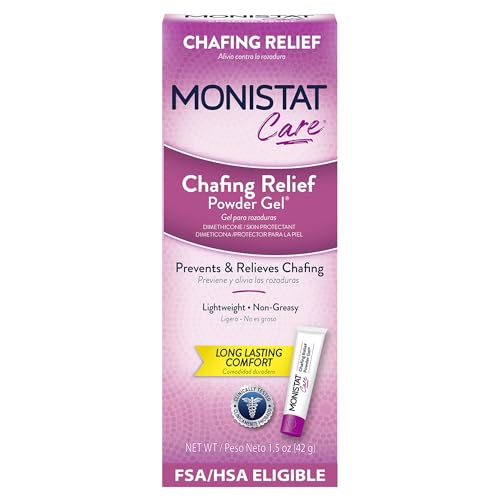
Anti chafing balms like Body Glide or Monistat Chafing Relief Powder Gel create a protective barrier before walking or exercise. Wearing looser clothing made from moisture wicking fabrics reduces the daily friction that keeps retriggering pigmentation. Applying deodorant to your inner thighs before activities also works because it creates a dry surface that prevents skin from catching against itself.

For treatment, CeraVe SA Lotion combines niacinamide with salicylic acid to brighten while smoothing texture. Versed Gentle Retinol Body Lotion delivers 0.1% encapsulated retinol that absorbs quickly and keeps the area smooth over time.

If shaving contributes to your hyperpigmentation here, laser hair removal eliminates the inflammatory trigger completely.

Underarm Dark Spots

Shaving causes most underarm hyperpigmentation, and the most effective thing you can do is switch to trimming with electric clippers or invest in laser hair removal. This single change removes the repeated inflammatory trigger that keeps darkening the area.

If you continue shaving, use a sharp razor with lubricating gel and shave in the direction of hair growth. Dull razors drag and create more trauma with every stroke, so replace them frequently.

Your deodorant also plays a bigger role than you might think. Fragrance is one of the most common causes of contact dermatitis, and if your deodorant is irritating your skin, it’s actively worsening the pigmentation. Switch to a fragrance free option like Vanicream or Dove Sensitive Skin.

For treatment, use Kojie San Skin Lightening Soap in the shower. Lather it on your underarms, let it sit for 30 to 60 seconds, then rinse. Follow with a brightening product containing niacinamide or alpha arbutin on completely dry skin, so the actives absorb evenly and work more effectively.

Dark Knees and Elbows

The skin on your knees and elbows is naturally thicker than anywhere else on your body, and it tolerates stronger treatment because of it. You can use higher concentrations and apply more frequently here than you would on sensitive areas like your underarms or inner thighs.

AmLactin Daily Moisturizing Lotion with 12% lactic acid is a solid daily option that exfoliates while keeping the skin hydrated. For stronger exfoliation, The Ordinary Glycolic Acid 7% Toning Solution applied several times a week accelerates cell turnover and lifts existing pigmentation. Add Versed Gentle Retinol Body Lotion or Paula’s Choice Skin Smoothing Retinol Body Treatment three to seven nights per week, starting slowly and building frequency as your skin adjusts.

Dry, thickened skin looks darker, and urea breaks that down while hydrating at the same time. Eucerin Advanced Repair Lotion and CeraVe SA Cream both contain effective concentrations.

If you kneel frequently for work or exercise, wear knee pads. They prevent new pigmentation while your treatments address what’s already there.

Back and Chest Hyperpigmentation

Hyperpigmentation on your back and chest comes mainly from two sources, sun damage and post acne dark spots, and your approach depends on which one you’re dealing with.

If sun damage is the primary cause, protection comes first. Apply Neutrogena Hydro Boost Body Gel Lotion SPF 30 or Banana Boat Light As Air SPF 50 every morning and reapply throughout the day if you’re outside. Consistent SPF gives your brightening treatments a real chance to work.

If body acne is driving the dark spots, treat the active breakouts first. CeraVe Acne Foaming Cream Cleanser and PanOxyl Acne Foaming Wash are both effective options that clear breakouts and reduce the inflammation that causes dark marks in the first place.

For treatment, spray products work best on your back because you can apply them without help. Pour The Ordinary Glycolic Acid 7% Toning Solution into a spray bottle for easy application, or look for alpha arbutin or tranexamic acid serums designed for spray use. Both reach areas you can’t see or easily touch on your own.

Stomach and Body Fold Hyperpigmentation

Hyperpigmentation on your stomach and body folds is driven by friction, trapped moisture, and hormonal changes. Skin folds stay warm and damp throughout the day, and that environment creates ongoing irritation that keeps triggering melanin production.

The stomach is also sensitive to hormonal shifts, and pigmentation in this area can linger long after those levels stabilise.

Keep the area clean and dry before applying any treatment because damp skin in the folds causes products to absorb unevenly, and actives can’t penetrate consistently when moisture is already sitting on the surface. Niacinamide works well here because it calms inflammation while reducing melanin transfer, and it’s gentle enough for skin that doesn’t get much air circulation. CeraVe SA Lotion combines niacinamide with salicylic acid to address both pigmentation and texture buildup in the folds.

The Best Ingredients for Body Hyperpigmentation

The same ingredients that work on facial hyperpigmentation work on your body, but body skin needs higher concentrations and more consistent application to see results.

Niacinamide

Niacinamide reduces melanin transfer between cells and calms the inflammation that drives pigmentation. At 5% to 10%, it works well for friction driven areas like inner thighs and body folds where the skin is too sensitive for aggressive exfoliation, and it’s gentle enough for daily use across large areas.

Lactic Acid and Glycolic Acid

These exfoliating acids accelerate cell turnover and bring fresher, unpigmented skin to the surface faster. Lactic acid at 10% to 12% exfoliates while hydrating, making it useful for rough, thickened areas like knees and elbows. Glycolic acid penetrates more deeply and works faster, so it suits areas that tolerate stronger treatment.

Retinol

Retinol increases cell turnover and disrupts melanin production at the source. Body formulations typically use 0.1% encapsulated retinol, which produces results on body skin with minimal irritation. Apply at night and build frequency gradually.

Alpha Arbutin and Kojic Acid

Both block tyrosinase, the enzyme responsible for melanin production. Alpha arbutin is stable, well tolerated, and works across all skin tones. Kojic acid is particularly effective for friction driven and post inflammatory hyperpigmentation, and in soap form it delivers consistent contact time during your shower routine.

Tranexamic Acid

Tranexamic acid interrupts the signalling pathway between UV exposure and melanin production. It works well for hormonally driven pigmentation and sun damage, and it’s gentle enough for consistent use across large areas.

Urea

Urea is not a brightening ingredient, but thickened skin on areas like knees and elbows physically blocks actives from penetrating. Urea breaks that surface down and allows your other ingredients to reach the melanocytes driving the pigmentation.

Prescription Treatments for Body Hyperpigmentation

Over the counter products work well for most body hyperpigmentation, but some cases need stronger intervention. If speed is a priority, prescription treatments give you the fastest results within the four to six month window. And if you’ve been consistent for four to six months with little progress, they’re worth discussing with your dermatologist.

Hydroquinone

Hydroquinone at 4% or higher is the most effective topical treatment for stubborn hyperpigmentation. It blocks tyrosinase directly and shuts down melanin production at the source. Your dermatologist can prescribe it alone or combine it with tretinoin and a mild corticosteroid, and that combination hits pigmentation through multiple mechanisms at once.

Tretinoin

Tretinoin at 0.05% to 0.1% increases cell turnover far more aggressively than any over the counter retinol. Body skin is thick enough to handle these concentrations, and at this strength it moves pigmented cells out and brings fresh skin through significantly faster.

How to Prevent Body Hyperpigmentation

Protect from the Sun

Apply broad spectrum SPF 30 or higher to exposed body areas every morning and reapply every two hours when outside. Most people apply facial sunscreen consistently but forget their body, and that’s where cumulative pigmentation builds. Neutrogena Hydro Boost Body Gel Lotion SPF 30 absorbs quickly and feels lightweight enough for daily use. Wear sun protective clothing when you can because fabric provides more reliable coverage than sunscreen alone.

Reduce Friction

Wear looser, breathable clothing and use anti chafing products like Body Glide before activities that cause rubbing. Change out of sweaty clothes promptly after exercise because moisture and friction together trigger the irritation that starts pigmentation.

Rethink Hair Removal

Switching from shaving to trimming with electric clippers for your underarms and bikini area removes the most common repeated trigger for hyperpigmentation in those areas. If you continue shaving, use a sharp razor with lubricating gel.

Moisturise Consistently

Dry skin is more vulnerable to the friction and irritation that trigger pigmentation. Applying body lotion daily keeps your skin barrier intact and reduces the inflammatory response that starts the whole cycle.

When to See a Dermatologist for Body Hyperpigmentation

If your dark spots haven’t improved after six months of consistent treatment, see a dermatologist. You may have dermal pigmentation where melanin has dropped into deeper skin layers, and that doesn’t respond to over the counter products. Professional treatments like chemical peels and laser therapy can reach pigment that topicals cannot.

Get dark spots checked immediately if they change color, develop irregular borders, become raised, bleed, or grow. Most hyperpigmentation is harmless, but skin cancer can present as darkened patches and early assessment is important.

If hyperpigmentation appears suddenly and spreads rapidly, especially alongside fatigue, weight changes, or excessive thirst, see your doctor. Those symptoms together point to something internal that skincare alone won’t address.

Ask about prescription options if over the counter products aren’t producing results. Your dermatologist can prescribe treatments significantly stronger than anything available at a drugstore.

The Bottom Line

Body hyperpigmentation takes time, and that’s not a flaw in your routine. It’s just how body skin works.

Stay consistent with your treatments, protect from the sun, and address the root cause, whether that’s friction, shaving, or hormonal shifts. That combination moves things faster than rotating through products looking for a shortcut.

I deal with this myself, and the slow timeline is frustrating. But the treatments work when you give your skin the time it needs.

Frequently Asked Questions About Body Hyperpigmentation

It depends on the cause. Post inflammatory hyperpigmentation from acne, bug bites, or friction fades completely with consistent treatment and time. Melasma and hormonally driven pigmentation are more persistent and may return even after fading, especially with sun exposure or hormonal shifts.

Yes. UV exposure intensifies existing pigmentation and triggers new melanin production, so spots that were fading through winter often darken again with increased sun exposure. Consistent body SPF through summer keeps your progress intact.

Directly, no. No food fades dark spots. But chronic inflammation driven by poor diet can worsen pigmentation over time, and insulin resistance is closely linked to acanthosis nigricans. Managing blood sugar helps that specific type of darkening more than any topical treatment.

No. Body skin turns over too slowly for any ingredient to produce visible results that fast. Four to six months of consistent treatment is a realistic minimum.

Kojic acid, derived from fungi, blocks tyrosinase and fades dark spots with consistent use. Niacinamide reduces melanin transfer and calms the inflammation driving pigmentation. Lactic acid exfoliates and brightens while hydrating at the same time. None of these are quick fixes, but used consistently they fade dark spots over the four to six months body skin requires.

Similar Posts

Leave a Reply

Your email address will not be published. Required fields are marked *