
10 Best Ingredients to Fade Hyperpigmentation
Last updated on February 23rd, 2026 at 01:22 pm
Your dark spots aren’t going anywhere on their own. That acne mark from three months ago is still there. The melasma on your cheeks keeps spreading. Sun damage shows up on your hands and face despite the sunscreen you wear now. I have dark skin and deal with stubborn post-inflammatory hyperpigmentation myself, so I know how frustrating this is. These patches resist fading because your skin keeps producing excess melanin and depositing it unevenly.
Hyperpigmentation happens when your skin produces too much melanin in certain areas, creating dark patches or spots. This excess pigment gets deposited unevenly across your face, hands, or body, leaving marks that resist fading on their own.

Ingredients That Fades Hyperpigmentation
You need ingredients that disrupt how your skin makes and distributes this pigment. Some block the enzymes that create melanin while others speed up cell turnover to push pigmented cells to the surface faster. A few prevent melanin from transferring into your skin cells where it becomes visible. The most effective approach combines multiple ingredients because hyperpigmentation resists single solutions.
These 10 ingredients target different stages of melanin production. Some people see improvement within weeks while others need months of consistent use. The timeline depends on your hyperpigmentation type, your skin’s response, and how religiously you protect from sun exposure.
10 Hyperpigmentation Ingredients Comparison Table
| Ingredient | What It Does | Concentration | Best For |
|---|---|---|---|
| Hydroquinone | Blocks melanin production at the source | 2-4% | Stubborn melasma and severe dark spots |
| Tretinoin | Speeds cell shedding to remove pigmented layers | 0.025-0.1% | Post-acne marks and sun damage |
| Azelaic Acid | Blocks melanin and reduces inflammation | 10-20% | Acne with dark spots |
| Niacinamide | Stops pigment from reaching skin surface | 2-10% | Sensitive skin needing gentle brightening |
| Vitamin C | Prevents new pigment and fades existing spots | 10-20% | Sun damage prevention and spot fading |
| Tranexamic Acid | Calms overactive pigment cells | 2-5% | Hormonal melasma |
| Kojic Acid | Blocks the enzyme that creates pigment | 1-4% | Hydroquinone alternative |
| Glycolic Acid | Strips away pigmented surface cells | 5-10% | Dark spots with rough texture |
| Alpha Arbutin | Blocks pigment production without irritation | 1-2% | Long-term pigment control without side effects |
| Licorice Root | Disperses pigment and calms inflammation | 0.5-2% | Inflammatory hyperpigmentation with redness |
Let’s break down each ingredient so you know exactly what to expect and how to use them safely.
1. Hydroquinone
Let’s start with the most powerful option. Hydroquinone blocks tyrosinase, the enzyme that drives melanin production. This makes it the gold standard for stubborn hyperpigmentation. Your skin produces less pigment and existing dark spots fade over time.
You can buy 2% over the counter or get 4% from your dermatologist. Apply once nightly directly on dark spots. Start at the center and feather outward. If your skin tolerates it without irritation, increase to twice daily.
But hydroquinone irritates skin. Use it for three to six months then take a break because prolonged use causes rebound darkening. This prevents resistance and keeps it working when you cycle back on. Ochronosis is rare but real. Your skin develops blue-black discoloration after years of misuse. Skip hydroquinone completely if you’re pregnant or breastfeeding because the safety data isn’t there.
Ambi Fade Cream contains 2% hydroquinone at an affordable price. Apply it with moisturizer and strict sun protection, because without SPF 50+, you’re just creating new dark spots while fading old ones. If you have darker skin like me, you need extra caution with hydroquinone. Irritation can darken your skin instead of lightening it, which defeats the whole purpose. I always recommend working with a dermatologist who understands darker skin tones, especially for stubborn cases where prescription combinations with tretinoin work faster.

2. Tretinoin
Tretinoin works fast and well. Clinical data confirms 40% improvement in post-inflammatory hyperpigmentation after six months of consistent use. This prescription retinoid speeds up cell turnover and blocks tyrosinase activity at the same time. Your skin sheds pigmented cells while bringing fresh unpigmented cells to the surface. Acne marks and sun damaged skin respond well to this approach. I use 0.025% tretinoin cream myself and even with just a tiny pea-sized amount, I saw real results using the sandwich method (moisturizer, tretinoin, moisturizer) to prevent irritation
Start with 0.025% twice per week at night and build slowly to nightly use. Tretinoin irritates skin if you rush it. If you live in hot humid climates, start with the lowest concentration because heat amplifies these effects. Apply to clean dry skin and wait before moisturizing.
You’ll get dryness, peeling, and sun sensitivity. This is normal. Use SPF 50+ daily because tretinoin makes your skin vulnerable to UV damage. Some people purge where breakouts worsen temporarily before improving. Don’t panic when this happens – it’s part of the process.
Once your skin adjusts, you can layer tretinoin with niacinamide. Together they fade dark spots faster. Your dermatologist may prescribe it combined with hydroquinone for stubborn cases, but avoid using it with glycolic acid on the same night because that creates excessive irritation. Skip tretinoin completely if you’re pregnant or breastfeeding.
If you’re nervous about prescription strength or have sensitive skin, I recommend starting with Differin Gel. It gives you adapalene over the counter, which is gentler than prescription tretinoin. Build your tolerance with this before asking your dermatologist for the stronger version.

3. Azelaic Acid
Azelaic acid works without the drama. Unlike hydroquinone, it doesn’t harm your healthy pigment cells or cause ochronosis with prolonged use. Research shows 20% azelaic acid performs as well as 4% hydroquinone without the harsh side effects, so you can use it long term without cycling or taking breaks.
Azelaic acid inhibits tyrosinase and reduces inflammation at the same time. Got acne? It treats both the breakouts and the dark spots they leave behind. People with rosacea benefit too because it calms inflammation while fading discoloration.
Use 10% over the counter or get 15% to 20% by prescription for better results. Apply twice daily to affected areas. You might feel tingling or mild burning at first, but this fades as your skin adjusts. It’s much gentler than hydroquinone or tretinoin.
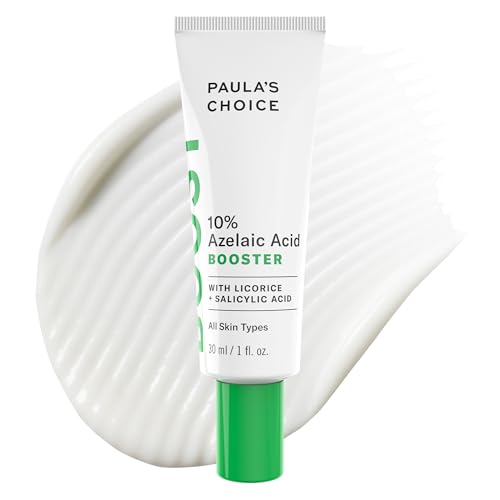
The Ordinary Azelaic Acid Suspension 10% and Paula’s Choice 10% Azelaic Acid Booster both work well and cost less than prescription options. Start with nighttime application and increase to twice daily if your skin tolerates it. Combine with niacinamide or vitamin C for stronger results.
This ingredient works particularly well in humid climates and it’s gentle on darker skin like mine without causing irritation or paradoxical darkening. That’s why it’s one of my go-to recommendations.