Exfoliating Toner vs Serum: Which One Does Your Skin Need
Last updated on July 16th, 2026
If you’ve ever Googled “exfoliating toner vs serum” at midnight while holding two bottles and feeling completely lost, you’re not alone. Most people don’t know whether to use one or both, which one goes first, or whether layering them together will help or hurt their skin.
The short answer is that they do different jobs. An exfoliating toner clears dead cell buildup at low acid concentrations, usually 0.5 to 2%, gentle enough for daily use. A serum corrects specific concerns like dark spots, rough texture, or clogged pores using much higher concentrations, between 5 and 20%, strong enough to push past what a toner can achieve alone.
As a pharmacologist, I want to give you a clear answer on when to use toner, when to switch to a serum, and exactly how to layer both in your morning and night routine without irritating your skin.
What’s the Difference Between an Exfoliating Toner and a Serum
The simplest way to think about it is this. An exfoliating toner maintains your skin, while a serum corrects it.
Exfoliating toners contain low acid concentrations, usually between 0.5 and 2%, designed for daily or near-daily use. That gentle, consistent approach clears dead cell buildup over time without disrupting your barrier. Because the concentration is low, your skin can handle it regularly without needing recovery time between applications.
Serums work differently. They contain much higher acid concentrations, between 5 and 20%, which means they penetrate deeper and deliver stronger results. But that strength comes with a trade-off. Your skin needs 48 hours to recover between applications, so you use them 2 to 3 times weekly rather than daily.
The texture difference reflects this too. Toners are watery and spread easily across your whole face. Serums are thicker and more concentrated, so 3 to 4 drops covers your entire face.
If you want a deeper look at how exfoliating toners work and which acid type suits your skin, the full breakdown is in our exfoliating toner guide. And if you want to understand how AHAs, BHAs, and enzymes compare across all exfoliation methods, our chemical vs physical vs enzymatic exfoliation guide covers the full picture.
Do You Need a Toner and a Serum or Just One?
Honestly, you might not need both. It depends on where your skin is right now.
If you’re new to chemical exfoliation, start with a toner. The low acid concentration gives your skin time to build tolerance gradually, and consistent toner use alone delivers improvements in texture, tone, and breakout frequency over 8 to 12 weeks.
If you’ve been using an exfoliating toner for 3 or more months and your results have stalled, that’s when an exfoliating serum makes sense. Toners work at 0.5 to 2% acid concentrations, and some concerns simply need higher concentrations to improve.
Using both at the same time is over-exfoliation, though. Your skin cannot handle a daily exfoliating toner alongside a twice-weekly acid serum without barrier damage, and it will show up as redness, stinging, and increased breakouts. Choose one based on where you are in your routine, not both together.
The exception is pairing a hydrating toner, one with no acids at all, alongside an exfoliating serum. That combination works because you’re not doubling up on exfoliation. The hydrating toner preps your skin while the serum does the corrective work.
How to Layer Toner and Serum: Morning and Night Routine Order
Knowing when to use your exfoliating toner and serum is one thing. Knowing where they sit in your routine is another. The sequence affects how well each product absorbs and works, so it’s worth getting right. Korean skincare has been layering toners and serums in a specific order for decades, and the logic behind it is sound. Thinnest product first, thicker layers after, and each layer given time to absorb before the next goes on.
Your Morning Routine Order
Cleanser, exfoliating toner, serum, moisturiser, SPF.
Apply your toner to clean dry skin and wait one to two minutes before adding your serum. BHA toners work well in the morning because they don’t significantly increase sun sensitivity. AHA toners are better saved for evening because glycolic and lactic acid increase your skin’s UV sensitivity after each application, which is why daily SPF is non-negotiable when using them. If your toner contains AHAs, use a hydrating toner in the morning instead and move your exfoliating toner to your night routine.
Your Night Routine Order
Cleanser, exfoliating toner, serum, moisturiser.
Evening works better for most exfoliating acids because your skin repairs itself overnight. Apply toner to clean dry skin, wait one to two minutes, then layer your serum and finish with moisturiser.
Don’t use your exfoliating toner on the same night as retinol. Both increase cell turnover and combining them causes irritation even if your skin handles each one separately. Alternate them instead. If you want a structured approach to rotating acids and retinol without guessing, our skin cycling guide is worth reading.
And if you’re unsure whether your product is a retinoid or retinol, because the difference matters for how often you use it, our retinoids vs retinol guide explains it clearly.
How Long to Wait Between Products
One to two minutes between your toner and serum is enough. You’re waiting for absorption, not complete drying. If your skin still feels tacky, give it another thirty seconds.
What Not to Use Together
Don’t layer an AHA toner with a vitamin C serum in the same routine. Use vitamin C in the morning and your AHA toner at night.
Don’t use an exfoliating toner and retinol on the same evening. Alternate them.
Don’t combine multiple exfoliating products in one routine. A BHA toner followed by a glycolic serum doubles your irritation risk, not your results.
Niacinamide, hyaluronic acid, and peptide serums are safe alongside exfoliating toners and serums. They add hydration and barrier support.
When to Use a Serum Instead of Your Toner
Knowing when to use a serum instead of your toner comes down to three things. How long you’ve been using acids, how your skin is responding, and whether you still have concerns your toner hasn’t resolved.
Signs Your Toner Has Stopped Working
The clearest sign is that nothing is changing. You’ve been using your exfoliating toner consistently for 3 or more months, well past the 8 to 12 week improvement window, and your skin looks exactly the same as it did at week 12. No further fading of dark spots, no further reduction in breakouts, no continued improvement in texture. Toners work at low concentrations by design, and some concerns simply need more than that to improve further. A serum provides that.
Two other signs tell you your skin is ready. First, your skin tolerates your toner daily without any redness, tightness, or sensitivity. That tells you your barrier is strong enough to handle a higher concentration. Second, you still have specific concerns, stubborn dark spots, persistent rough texture, or congested pores, that haven’t responded despite consistent use.
If all three apply, your skin is ready for an exfoliating serum.
Signs You Are Not Ready for a Serum Yet
If you’ve been using acids for less than 3 months, your skin needs more time to build tolerance. If your toner still causes occasional redness or tightness, your barrier isn’t ready for a higher concentration yet. If you have an active rosacea flare, eczema, or a compromised barrier, address those first. And if you’re using prescription retinoids, talk to your dermatologist before adding an exfoliating serum.
A serum used too early doesn’t deliver faster results. It just causes irritation.
Before you add an exfoliating toner, check what it clashes with. My guide has the full mix and avoid chart.
How to Start Using an Exfoliating Serum Without Irritating Your Skin
AHA, BHA, or PHA: Which Acid Do You Need
The right exfoliating serum depends on your main concern.
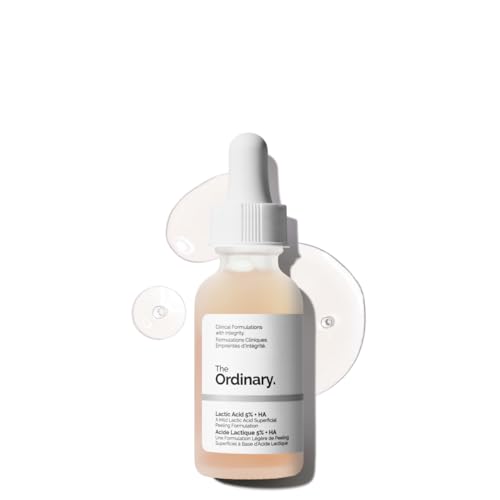
AHA serums work on your skin’s surface, smoothing rough texture, fading dark spots, and improving uneven tone. If dullness, hyperpigmentation, or fine lines are your main concern, start with a lactic acid serum at 5%. The Ordinary Lactic Acid 5% + HA is a straightforward starting point, affordable and widely available. Paula’s Choice Daily Smoothing Treatment with 10% AHA works well if your skin has already built some tolerance.