
Best Fungal Acne Safe Products: The Complete Guide
Last updated on September 23rd, 2026
Searching for fungal acne safe products sends most people in three different directions at once. Ingredient checkers, thousand-product spreadsheets, and dermatologists arguing the whole framework is wrong. Everyone sounds confident. Nobody quite agrees.
What’s actually happening is that both sides are working from real science about Malassezia, the yeast behind fungal acne. They’re just solving for different parts of the same problem, and that’s why one approach works for some people and not others.
As a pharmacologist who has worked through the research on Malassezia and lipid metabolism, I can tell you the answer sits somewhere in the middle. This guide covers proven antifungal treatments, the best fungal acne safe products organized by category and skin type, and an honest explanation of when avoiding certain ingredients makes a difference and when it won’t.

What Makes a Product Fungal Acne Safe?
Back in 2016, a researcher known as f.c. was digging through studies on Malassezia, the yeast behind fungal acne, and found something that would change how a lot of people thought about their skincare. Malassezia, unlike most organisms, cannot produce its own fatty acids. It has to get them from somewhere else, and it’s picky about which ones it uses, specifically fatty acids with carbon chains between 11 and 24 atoms long.
That finding spread quickly. If Malassezia feeds on specific fatty acids, then avoiding products that contain them should starve it out. f.c. published the framework on Simple Skincare Science, ingredient checkers appeared, product databases grew, and thousands of people documented real improvements. For the first time, those stubborn bumps that wouldn’t budge with regular acne treatments had a concrete explanation.
Which Ingredients Are Not Fungal Acne Safe
Most plant oils are problematic, including coconut, olive, and argan oil. Esters are also flagged, and these are ingredients ending in “-ate” on the label, things like isopropyl palmitate, glyceryl stearate, and cetearyl ethylhexanoate. Fatty alcohols like cetyl and stearyl alcohol, polysorbates, and certain fermented ingredients also feed Malassezia. All of these contain the specific fatty acid chains, between 11 and 24 carbon atoms long, that Malassezia breaks down and feeds on.
Safe alternatives are fewer but reliable. Mineral oil, squalane, purified MCT oil, and lightweight gel formulations don’t contain those fatty acid chains, so Malassezia can’t metabolize them. That’s why you’ll see them appear repeatedly across fungal acne safe product recommendations.
But knowing which ingredients are theoretically problematic is only half the picture, because whether they actually cause problems on your skin is a different question entirely.

Do Skincare Ingredients Actually Cause Fungal Acne
Lab studies on Malassezia are done in controlled conditions, one ingredient at a time. Your skin works completely differently. You have dozens of bacterial and fungal species competing for resources, an immune system actively responding, sebum production shifting with your hormones, and weather changing everything week to week. What happens in a lab and what happens on your face are two different things.
This is why dermatologists like Dr. Dray push back on the ingredient framework. Malassezia folliculitis is a medical condition, and it responds to antifungal medication. The real triggers are environmental, heat, humidity, sweat, tight clothing, and prolonged antibiotic use. Ketoconazole, zinc pyrithione, and selenium sulfide reduce yeast populations directly, and that’s backed by clinical studies on actual patients, not petri dish experiments.
The Florida versus Colorado example makes this concrete. Someone in humid Florida who exercises daily and uses a heavy coconut oil moisturizer is dealing with multiple stressors at once. Removing that oil can shift the balance because it eliminates one variable from an already overwhelmed system. Someone in dry Colorado using the same product may see zero change because the conditions for overgrowth simply aren’t there. Same product, completely different outcomes.
Both positions are working from legitimate science. They’re just solving for different parts of the problem.
Who Benefits Most From Fungal Acne Safe Products
Fungal acne safe products work best in specific situations. If your breakouts are mild and recurring rather than severe, lighter Malassezia-safe alternatives can reduce how often flares happen. The same goes if you live in a hot or humid climate where sweat and heat are already stressing your skin, or if your skin cleared with antifungal treatment but the bumps keep returning.
If your breakouts are widespread, inflamed, and severely itchy, you may be dealing with an active Malassezia infection, and antifungal treatment will clear it far faster than any product swap. If you’ve spent a month avoiding problematic ingredients with no improvement, a dermatologist can help you figure out what’s driving it.
The most effective approach combines both. Antifungal treatments to clear active overgrowth, and thoughtful product choices to avoid recreating the conditions that brought it back.
Best Fungal Acne Safe Products by Category
1. Best Antifungal Treatments for Fungal Acne
If you have an active flare, these are the products that actually clear it. Every one of them has clinical evidence behind it, not just ingredient theory.
The most effective options are:
- Nizoral Anti-Dandruff Shampoo (1% Ketoconazole)
- Vanicream Z-Bar (Zinc Pyrithione)
- Selsun Blue (Selenium Sulfide)
- Paula’s Choice 2% BHA Liquid Exfoliant or CeraVe SA Lotion (Salicylic Acid)
- Lotrimin (Clotrimazole Cream)
Here’s what each one does and how to use it.
Nizoral Anti-Dandruff Shampoo (1% Ketoconazole)
Ketoconazole is the strongest over-the-counter antifungal for fungal acne. Use it as a mask. Lather it onto affected areas, leave it on for 5 to 10 minutes, then rinse. Use it daily during active flares, then drop to 2 to 3 times weekly once your skin clears. It’s a shampoo, but it outperforms most dedicated acne treatments when Malassezia is the cause.

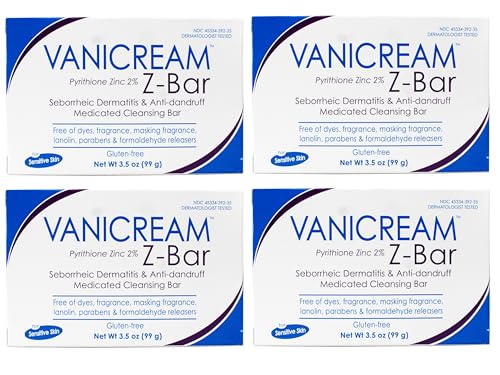
Vanicream Z-Bar (Zinc Pyrithione)
Zinc pyrithione is gentler than ketoconazole, which makes it a better fit for sensitive skin. Vanicream Z-Bar uses 2% zinc pyrithione in a soap-free bar, so it cleanses without stripping your moisture barrier. It also has antibacterial properties, so it may help if you’re not sure whether you’re dealing with fungal or bacterial acne. Lather it on, wait a few minutes, then rinse.
Selsun Blue (Selenium Sulfide)
Selenium sulfide is an effective antifungal, but it’s more drying than the other two options, which makes it better suited for body use than the face. Use it as your primary treatment for chest, back, and shoulder breakouts, or as a backup for your face if ketoconazole and zinc pyrithione aren’t giving you results. Lather it on, leave it for a few minutes, then rinse.

Paula’s Choice 2% BHA Liquid Exfoliant
Salicylic acid isn’t antifungal, but it supports treatment by unclogging follicles where Malassezia builds up and clearing the sebum buildup that lets yeast thrive. Paula’s Choice is a lightweight, water-based liquid, so it won’t trap heat the way a richer lotion can. Start every other night, not daily, because salicylic acid can irritate skin that isn’t used to it yet.

Lotrimin (Clotrimazole Cream)
Clotrimazole is sold for athlete’s foot. However, it also works for tinea versicolor, a skin condition caused by Malassezia. The solution has a greaseless base, so you can dab it onto specific spots without treating your whole face. Just keep it away from your eyes. It’s not as strong as ketoconazole but, it’s affordable and useful for treating individual spots on the days you’re not using an antifungal wash.

2. Fungal Acne Safe Cleansers
Rich moisturizing cleansers often use the same oils and emollients you’d avoid in a moisturizer. Oil-based cleansers, balms, and creamy formulas are made to leave a film on your skin, and that residue can linger even after rinsing. Micellar water and lightweight cleansers are your best options, and neither leaves an oily film behind.
L’Oréal Micellar Cleansing Water (Pink Cap)
Micellar water is a gentle first cleanse for fungal acne-prone skin. L’Oréal’s version removes makeup and sunscreen without leaving an oily film, and you can find it at most drugstores. As with any micellar water, follow it with a splash of water or your regular cleanser.

Vanicream Gentle Facial Cleanser
Vanicream’s cleanser is fragrance-free, dye-free, and oil-free, with just 12 ingredients. It’s soap-free and pH-balanced, so it cleans without drying your skin and makes a good daily choice for sensitive or fungal acne-prone skin.

The INKEY List Salicylic Acid Cleanser
This cleanser pairs 2% salicylic acid with zinc PCA to help clear the oil and dead skin that clog follicles. It does contain a few flagged ingredients, but like any cleanser, it rinses away after about a minute. Use it in the evening rather than twice daily to avoid stripping your skin barrier.

Bioderma Sensibio H2O Micellar Water
Bioderma Sensibio is formulated specifically for reactive and sensitive skin. Press a soaked cotton pad against your skin for a few seconds, then wipe gently, and follow with a splash of water so no cleansing residue stays behind. If your skin flares easily, this is the one to start with.

3. Fungal Acne Safe Moisturizers
Rich creams and heavy emollients create exactly the warm, occlusive environment Malassezia thrives in. Lightweight gel formulas and water-based moisturizers hydrate your skin without trapping heat against it.
Hada Labo Tokyo Skin Plumping Gel Cream
Hada Labo’s gel cream blends three forms of hyaluronic acid with squalane and hydroxyethyl urea, a gentle humectant, for layered hydration. It sinks in fast and leaves your skin comfortable without any heaviness or residue.

La Roche-Posay Toleriane Fluide
La Roche-Posay Toleriane Sensitive Fluide has just 10 ingredients, including niacinamide to support your skin barrier. The fluid texture is light, so it’s less likely to trap heat than a richer cream. With so few ingredients, there’s also less that could irritate your skin.

Cetaphil Deep Hydration Skin Restoring Water Gel
Cetaphil’s water gel combines hyaluronic acid and polyglutamic acid for hydration, with panthenol and allantoin to soothe your skin. It’s oil-free and fragrance-free, and its gel texture feels cool and weightless when you apply it. Made for dehydrated skin, it’s especially useful when your skin is oily but still feels tight.

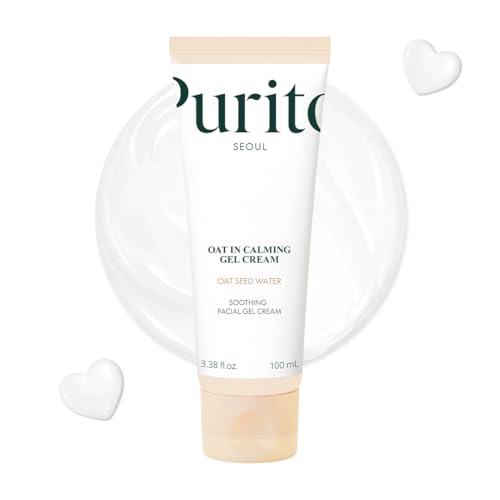
Purito Oat-in Calming Gel Cream
Purito’s gel cream is fragrance-free and made with 77% oat seed water, which helps soothe skin that’s irritated or overtreated. With fewer than 20 ingredients, it’s a gentle choice when your barrier needs a break from actives.
4. Fungal Acne Safe Sunscreens
Many sunscreen formulas rely on heavy emollients and esters for that smooth, blendable texture. Lightweight mineral, hybrid and chemical options protect your skin without feeding Malassezia.
EltaMD UV Clear SPF 46
EltaMD UV Clear is lightweight, contains niacinamide to help control oil production, and avoids the fatty acid esters that feed Malassezia. It absorbs cleanly without pilling or leaving a greasy finish.

Cetaphil Sheer Mineral Face Liquid Sunscreen SPF 50
Cetaphil’s mineral sunscreen pairs 12% zinc oxide with niacinamide and soothing allantoin. Its lightweight liquid texture dries to a matte finish that doesn’t sit heavy or trap heat against your skin. It’s one of the most affordable options here, but it may leave a slight cast on deeper skin tones, so rub it in well.

COSRX Ultra-Light Invisible Sunscreen SPF 50
COSRX’s sunscreen uses an aloe base with niacinamide and witch hazel. Niacinamide helps keep oil in check, and witch hazel soothes sun-exposed skin. It absorbs quickly without leaving a greasy film or white cast, so it’s a strong pick for oily skin and deeper skin tones.

5. Fungal Acne Safe Serums and Essences
Many popular serums contain fermented ingredients, plant oils, or rich extracts, all of which can make fungal acne-prone skin worse. The ones below hydrate and treat with light formulas that won’t weigh your skin down.
COSRX Advanced Snail 96 Mucin Power Essence
COSRX’s essence is 96% snail secretion filtrate. It helps strengthen your skin barrier, hold in moisture, and calm visible redness. It’s fragrance-free and oil-free, and its lightweight texture layers easily under your moisturizer.

The Ordinary Niacinamide 10% + Zinc 1%
The Ordinary’s niacinamide serum helps balance oil, calm redness, and make pores look smaller, and the added zinc gives you extra oil control. Since excess oil helps fungal acne thrive, this serum is a practical way to keep flares from coming back.

Torriden Dive-In Low Molecular Hyaluronic Acid Serum
Torriden’s serum blends five forms of hyaluronic acid, ranging from larger molecules that hydrate the surface to smaller ones that reach a little deeper. Panthenol, allantoin, and madecassoside help calm your skin. The light gel spreads easily and doesn’t feel sticky.

6. Fungal Acne Safe Masks and Spot Treatments
Sheet masks and sleeping packs seal ingredients against your skin for extended periods, and that warm, moist environment is exactly where Malassezia thrives. The options below treat and soothe without trapping heat against your skin.
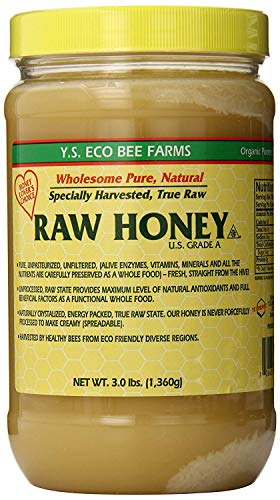
Raw Honey Mask (YS Organic Bee Farms)
Raw honey has natural antimicrobial properties, and since it contains no oils, it rinses off cleanly without leaving a film. Apply a thin layer to the affected areas, leave it on for 10 to 15 minutes, then rinse. The evidence is more anecdotal than clinical, but it’s gentle and the risk is low.
De La Cruz 10% Sulfur Ointment
De La Cruz’s ointment has 10% sulfur in a water-washable, oil-free base. Sulfur has antifungal and antibacterial properties. You rinse it off after 10 minutes, so it treats spots without sealing anything against your skin. Start with once a day because sulfur can be drying, and expect a noticeable sulfur smell while it’s on.

Aztec Secret Indian Healing Clay
Aztec Secret is 100% calcium bentonite clay, which absorbs excess oil from the surface of your skin. Mix it with water rather than apple cider vinegar if your skin is sensitive, and use it once a week because frequent use can dry your skin out.

Best Fungal Acne Safe Products by Skin Type
Fungal Acne Safe Products for Oily Skin
Oily skin and fungal acne are a difficult combination because excess sebum is essentially fuel for Malassezia. The more oil your skin produces, the more favorable the environment for overgrowth. Your priority isn’t just avoiding problematic ingredients. It’s actively keeping oil production in check.
In the evening, The INKEY List Salicylic Acid Cleanser works well because it helps clear follicles while removing surface oil. In the morning, micellar water followed by a splash of water is all you need. For moisture, Cetaphil Deep Hydration Skin Restoring Water Gel and Hada Labo Tokyo Skin Plumping Gel Cream both hydrate without leaving a heavy film on your skin.
Skipping moisturizer because your skin feels oily tends to make things worse. Dehydrated skin can produce more sebum to compensate, so keeping your moisture barrier healthy helps keep that oil in check.
Adding The Ordinary Niacinamide 10% + Zinc 1% to your evening routine helps balance oil and calm redness, and since excess oil helps fungal acne thrive, it’s one of the most useful additions for oily skin. For sun protection, EltaMD UV Clear SPF 46 is worth the investment. It contains niacinamide, absorbs cleanly, and won’t add shine to skin that’s already oily.
Fungal Acne Safe Products for Dry Skin
Dry skin and fungal acne create a real dilemma. Your skin needs moisture, but the richest, most comforting formulas, like thick creams and heavy oils, are often the ones that feed Malassezia or trap heat against your skin. The goal is finding formulas that hydrate without creating the conditions yeast needs to thrive.
Bioderma Sensibio H2O, followed by a splash of water, is a gentle first cleanse that removes impurities without disturbing your moisture barrier. In the evening, follow it with Vanicream Gentle Facial Cleanser if you need a deeper clean.
For moisture, La Roche-Posay Toleriane Sensitive Fluide is a strong starting point because its short formula hydrates and supports your barrier with niacinamide. If your skin needs more, Hada Labo Tokyo Skin Plumping Gel Cream layers well on top and adds extra hydration from its three forms of hyaluronic acid. COSRX Snail Mucin Essence is worth adding too, because it helps strengthen your barrier and calm redness, which is especially useful when your skin is both dry and reactive.
For sun protection, COSRX Ultra-Light Invisible Sunscreen sits well over your moisturizer, and its aloe base and sodium hyaluronate add a little extra hydration without making your routine feel heavy.
Fungal Acne Safe Products for Sensitive Skin
Most antifungal washes are formulated for scalp use and may irritate sensitive skin because of their stripping effect. The approach here is gentler but still effective.
For treatment, start with zinc pyrithione, particularly Vanicream Z-Bar. Its soap-free bar is gentler than a ketoconazole shampoo, which makes it an easier place to begin. Once your skin adjusts, you can introduce Nizoral at two to three times weekly for stronger treatment.
For daily care, Bioderma Sensibio H2O keeps cleansing gentle, and a quick rinse afterwards clears away any residue. La Roche-Posay Toleriane Sensitive Fluide is designed for reactive skin and keeps its formula minimal. COSRX Snail Mucin Essence helps calm redness and support your barrier, which makes it particularly useful when your skin is both sensitive and fungal acne-prone.
For sun protection, Cetaphil Sheer Mineral Face Liquid Sunscreen is formulated for sensitive skin, and its zinc oxide filter sits alongside soothing allantoin and bisabolol, so it’s less likely to add irritation.
Keep your routine short. Sensitive skin needs consistency above all else.
What to Avoid with Fungal Acne Prone Skin
Ingredients matter, but how a product behaves on your skin matters just as much. A thick cream labeled “fungal acne safe” that traps heat against your skin will cause more problems than a lightweight gel with a technically problematic ester. Occlusion is a bigger factor than individual ingredients for most people.
Layering too many products is a common issue because even lightweight formulas can become occlusive when stacked. Using rich moisturizers in humid weather, or applying oils before exercise when your skin is about to heat up and sweat, creates the same warm, moist environment that lets Malassezia thrive. Your skin’s needs change with the seasons, and what works in dry winter can be too much in humid summer.
If a product leaves visible shine after 30 minutes or makes your skin feel like it can’t breathe, it’s too heavy, regardless of what any ingredient checker says.
Is CeraVe Fungal Acne Safe?
CeraVe is one of the first brands people ask about when dealing with fungal acne, and it’s easy to see why: it’s affordable, it’s widely available, and its ceramides support a healthy skin barrier. But CeraVe isn’t one product, and how well it suits your skin depends on the formula. If it’s already in your bathroom, this breakdown shows you what to keep using and what to set aside. Formulas vary by country, though, so check the label on the bottle in your hand.
CeraVe Moisturizing Cream
This is one of the most asked-about CeraVe products for fungal acne, and it’s also the one to be most careful with. Its thick, fatty alcohol-rich texture seals moisture in, but it also traps heat against your skin. Keep it for dry body skin and avoid it on your face during a flare, especially in humid weather.
CeraVe Daily Moisturizing Lotion
The lotion feels lighter than the cream, but it’s built on the same fatty alcohol base, so switching to it won’t make much difference on fungal acne-prone skin. Use it on your body and choose a gel moisturizer for your face.
CeraVe Ultra-Light Moisturizing Gel
If you want one to use on your face, this is the one to try. It still has a fatty alcohol, but the gel texture is lighter than the cream or lotion, so it’s less likely to trap heat against your skin. Test it on one area for two weeks before using it everywhere.
CeraVe SA Smoothing Cleanser and Renewing SA Cleanser
Both SA cleansers work well for fungal acne-prone skin, but the SA Smoothing Cleanser is the better pick because it doesn’t contain the corn oil found in the Renewing formula. They do contain a flagged emulsifier, but you rinse a cleanser off after about a minute, so it has little time to affect your skin. Both also contain salicylic acid to help keep your follicles clear.
CeraVe Anti-Dandruff Hydrating Shampoo
This is the only CeraVe product here that treats fungal acne directly. It contains 1% pyrithione zinc, the same antifungal as in Vanicream Z-Bar but at half the strength. Lather it onto affected areas, leave it on for a few minutes, then rinse.
How to Build a Fungal Acne Safe Routine
A fungal acne routine has two phases. Active treatment while you’re dealing with a flare, and maintenance once your skin clears. The products are largely the same, but how often you use them changes.
During active treatment, keep the routine minimal. In the morning, rinse with water, apply a lightweight moisturizer, and follow with sunscreen. In the evening, use your antifungal wash as a mask, leave it on for 5 to 10 minutes, then rinse and moisturize. If your skin tolerates it, add salicylic acid 2 to 3 times a week after cleansing, not every night, because daily use can irritate skin that’s already inflamed.
Once your skin clears, shift to maintenance. Continue your antifungal wash 2 to 3 times weekly rather than daily, which keeps Malassezia populations in check without stripping your barrier. Stick with lightweight products and adjust as the seasons change. Lighter textures in humid summer, slightly richer options in dry winter if your skin needs it.
The goal isn’t a perfectly curated “fungal acne safe” routine. The goal is a routine that keeps your skin healthy without recreating the conditions that caused the problem.
The Bottom Line
Fungal acne safe products work best when you pair them with the right approach. Antifungal treatments clear active overgrowth. Lighter, Malassezia-safe products reduce the conditions that bring it back. Both matter, and how much weight you give each depends on your skin and situation.
Start with the antifungal treatments in this guide if you’re dealing with a flare. Once you’re clear, your product choices help you stay that way. And if nothing improves after a month, a dermatologist will get you to the right answer faster than any ingredient checker.


I liked how this article explains 22 Best Fungal Acne Safe Products, Ranked by a Pharmacologist. The examples make the main idea easier to understand. Thanks for sharing this perspective.