

How to Wash Your Face Properly Without Damaging Your Skin Barrier
Last updated on June 23rd, 2026
Most people don’t know how to wash their face properly, and as a pharmacologist, I can tell you it’s rarely the cleanser’s fault.
It’s the technique.
Hot water strips your natural oils. Scrubbing creates micro-tears. Washing twice daily when once is enough disrupts your microbiome, and even a gentle cleanser causes damage if you’re using it wrong. So the cleanser you choose and how you use it both matter, because getting either one wrong means your skin keeps struggling no matter what you spend.
This guide covers both. You’ll learn what actually makes a cleanser gentle, how to read an ingredient list, and the technique mistakes that cause the most damage

Face Washing Basics at a Glance
If you’re short on time, here are the five things that make the biggest difference when washing your face properly.
- Use lukewarm water, not hot
- Massage your cleanser for 60 seconds, don’t rush or scrub
- Look for multiple surfactants on the ingredient list, not just one harsh one
- Evening cleanse is essential, but morning is optional
- Pat dry gently with a soft clean towel
Want to understand why each of these works? Keep reading.
How to Wash Your Face Properly, Step by Step
Step 1. Wet your face with lukewarm water
Hot water feels relaxing, but it strips your natural oils and can damage capillaries over time. Cold water doesn’t help your cleanser work effectively either. Lukewarm water, roughly body temperature, is the sweet spot. It lets your cleanser do its job without stressing your skin.
Step 2. Apply Your Cleanser to Damp Skin
Dispense a pea-sized amount into your palm. Apply the cleanser to damp skin, not dry, so it spreads evenly and the surfactants can work properly. Oil cleansers and balms are the exception. You apply those to dry skin first, then add water to emulsify.
Step 3. Massage Gently for 60 Seconds
This is where most people shortchange themselves. Sixty seconds of light circular motions is what actually cleanse your face, yet most people rinse off in fifteen. Surfactants need contact time to lift dirt and oil. The cleaning happens through chemistry, not pressure. Don’t scrub.
Step 4. Rinse thoroughly
Rinse until no cleanser residue remains. Leftover cleanser sits on your skin and causes irritation, so take an extra few seconds to make sure everything is gone.
Step 5. Pat dry gently
Pat your skin with a soft, clean towel. Don’t rub. Rubbing freshly cleansed skin creates friction that irritates your barrier, and your skin is more absorbent right after washing, so it’s also easier to irritate at this stage.
Do You Need To Cleanse Morning and Night?
Evening cleansing is non-negotiable because it removes the day’s buildup of sunscreen, pollution, and sebum. Morning cleansing is optional, and your skin type determines whether you actually need it.
If your skin feels balanced when you wake up, rinsing with lukewarm water is genuinely enough. Washing with cleanser when there’s nothing to remove just disrupts your microbiome and strips the oils your barrier rebuilt overnight. If you wake up oily or use heavy overnight treatments, a gentle morning cleanse makes sense. But cleansing out of habit rather than need is how overcleansing starts.
When Does Double Cleansing Actually Make Sense
If you wear makeup, waterproof sunscreen, or heavy products, an oil-based first cleanse breaks those down before your water-based cleanser removes the residue. But if you’re wearing light sunscreen or nothing at all, double cleansing just increases your risk of overcleansing. It’s real chemistry, not a trend, but it only applies when you actually have oil-based products to remove.
What Actually Makes a Face Wash Gentle
Most people assume foam means harsh and cream means gentle. That used to be true, but modern cleanser formulations work differently, and that old rule leads people to avoid perfectly good products while reaching for ones that quietly damage their skin.
Twenty years ago, most face washes relied on a single harsh surfactant, usually sodium lauryl sulfate, to create lather and clean skin. It worked, but it stripped your barrier in the process, which is where the “avoid foam” rule came from.
Modern formulations don’t work that way. Instead of one aggressive surfactant, they combine two or three gentler ones. When different surfactant types work together, the overall system is milder than any single surfactant alone. Add moisturising ingredients like glycerin and ceramides, plus polymers that help everything rinse off cleanly, and you get effective cleansing without the damage.
Research confirms this. A foaming cleanser with ceramides and glycerin can be gentler than a cream cleanser with harsh preservatives. Foam tells you nothing about harshness anymore. What determines whether a cleanser is gentle is how all the ingredients work together, not whether it lathers.
So a cleanser that leaves your skin feeling tight after washing isn’t doing its job properly. And one that barely bubbles isn’t automatically safe. The only way to know is to look at the formula.
How to Read a Cleanser Ingredient List
You don’t need a chemistry degree for this. You just need to know what to look for, and what to avoid.
Look for multiple cleansing agents
A well-formulated cleanser lists two or three surfactants in the first ten ingredients, not just one. Names like Sodium Cocoyl Isethionate, Cocamidopropyl Betaine, and Decyl Glucoside are good signs. So are ingredients ending in “eth” or “ate.” Multiple surfactants working together means a milder system overall.
A single surfactant like Sodium Laureth Sulfate sitting alone as the second ingredient with nothing supporting it is a red flag.
Look for moisturising ingredients early
Glycerin, hyaluronic acid, ceramides, squalane, and plant oils in the first third of the list tell you the formula is designed to clean without stripping. If moisturising ingredients only appear near the bottom, they’re present in amounts too small to make a real difference.
Check where fragrance sits
Parfum or Fragrance near the end of the list is fine. In the top ten ingredients, it’s a problem, because fragrance is a common sensitiser and that high up in the list means there’s a meaningful concentration of it.
What this looks like in practice
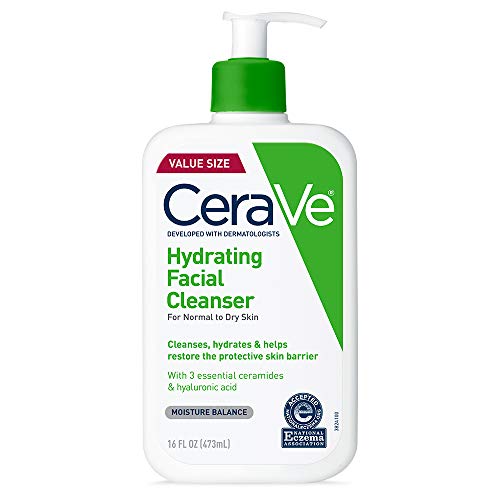
CeraVe Hydrating Cleanser combines three surfactants, Cocamidopropyl Hydroxysultaine, Sodium Cocoyl Isethionate, and Sodium Methyl Cocoyl Taurate, with ceramides and hyaluronic acid in the first ten ingredients. That’s exactly what a balanced formula looks like.
La Roche-Posay Toleriane Hydrating Gentle Cleanser uses a similar approach, with glycerin and niacinamide appearing early in the formula. It barely foams but cleans effectively because the surfactant system is doing its job.

Vanicream Gentle Facial Cleanser uses Coco Glucoside, Sodium Cocoyl Glycinate, and Glycerin without dyes, fragrance, or parabens. Effective cleansing with minimal potential irritants.

For full product recommendations by skin type, see my guides on cleansers for dry skin and cleansers for oily skin.
What That Tight Feeling After Washing Actually Means
That squeaky, tight feeling after washing your face is not a sign of clean skin. It’s a sign something went wrong. But the cause isn’t always the same, and knowing the difference helps you fix the right problem.
When Tightness Means Your Barrier Is Damaged – Harsh surfactants strip the lipids that hold your skin cells together, and the tightness that follows can last for hours. You may notice more sensitivity, rough texture, or breakouts even though you’re washing consistently. Your skin might also get oilier over time, because it’s trying to compensate for what keeps getting stripped away.
When Tightness Is Just How the Cleanser Works – Some cleansers add polymers that deliberately create a squeaky feeling because people associate it with clean. If the tightness fades within 15 minutes and your skin feels balanced for the rest of the day, the cleanser is working fine. The feeling is intentional, not damage.
When Tightness Is Temporary – Switching from a harsh cleanser to a gentle one can feel strange at first. Your skin is used to that stripped sensation, so normal oil levels feel wrong until you adjust. Give it two to three weeks before drawing any conclusions.
The tightness that should concern you is the kind that lingers past 15 minutes, or comes with increased sensitivity, rough texture, or more breakouts. If your skin feels balanced by mid-morning, you’re fine.
A thin layer of natural oil on your skin after washing is normal and healthy. Your face shouldn’t feel uncomfortable after cleansing, but it also shouldn’t feel moisturised. Clean and comfortable is the goal.
How to Tell If You Are Washing Your Face Correctly
Your skin should feel clean and comfortable right after rinsing, balanced without being greasy. Products you apply after cleansing should absorb normally without stinging or burning. If that’s what you’re experiencing consistently, your routine is working.
If something feels off, check three things before switching products.
- First, consider your other actives. A gentle cleanser can feel harsh if you’re also using retinoids, acids, or prescription treatments alongside it. Try reducing those before blaming your cleanser.
- Second, adjust for seasons. A cleanser that works perfectly through summer may feel too stripping in winter. That’s your skin’s needs shifting, not a product failure.
- Third, if everything feels wrong, strip back completely. Rinse with lukewarm water only for a few days, then reintroduce your cleanser once daily. That reset tells you whether overcleansing or the product itself is the real problem.
Face Washing Mistakes Most People Don’t Know They’re Making
1. Skipping makeup removal before cleansing is the biggest one. Your cleanser can’t dissolve heavy makeup or waterproof sunscreen, so washing over them pushes product deeper into your pores. If you wear makeup or SPF, an oil-based first cleanse breaks those down before your water-based cleanser does its job.
2. Applying cleanser to dry skin is another. Surfactants need water to activate, so on dry skin they work unevenly, leaving some areas over-cleansed and others barely touched. Damp skin gives your cleanser an even surface to work across.
3. Using the same cleanser year-round is a subtler mistake. Your skin’s needs shift with seasons and stress. A cleanser that works well in summer may be too stripping when temperatures drop. If your skin starts feeling worse and nothing else has changed, switch your cleanser.
How to Wash Your Face Properly If You Have Acne
Acne-prone skin is often over-cleansed, not under-cleansed.
When your skin is breaking out, the instinct is to wash more often and use stronger cleansers. But acne is a bacterial imbalance, not a hygiene problem, so harsh cleansing strips the beneficial bacteria that keep acne-causing bacteria in check. Your skin then produces more oil, which feeds the bacteria you’re trying to control.
Stick to once daily cleansing with a gentle, pH-balanced cleanser. Avoid anything that leaves your skin tight or squeaky because a compromised barrier makes acne harder to treat. Salicylic acid cleansers work well for oily and acne-prone skin because salicylic acid is oil-soluble and penetrates pores, but use them once daily at most and pair them with a gentle moisturiser.
The goal is a stable, intact barrier, not squeaky clean skin. A healthy barrier is what actually keeps breakouts under control.
Do Cleansing Brushes and Face Cloths Actually Help?
Most people don’t need them, and many would be better off without them.
Brushes and silicone scrubbers feel thorough, but your fingertips do the job just as well. The risk with brushes is pressure. Too much, too often, and you’re creating the same micro-tears that scrubbing causes. If you use one, two or three times weekly is enough.
Face cloths are gentler but carry a different problem. A damp cloth sitting in your bathroom grows bacteria fast, and wiping that across freshly cleansed skin defeats the point. Use a fresh one every time or skip it.
Silicone pads are the safest option because silicone doesn’t harbour bacteria the way bristles or fabric do, and they’re easy to rinse clean.
If your skin is sensitive or you’re rebuilding your barrier, skip the tools entirely. Your hands are controlled, clean, and free.
Bottom Line
Good cleansing comes down to two things, the right cleanser and the right technique. Get both wrong and your skin keeps struggling. Get both right and most persistent skin issues improve on their own.
You don’t need expensive products. You need a pH-balanced cleanser with multiple surfactants, lukewarm water, 60 seconds of gentle massage, and the discipline to stop overcleansing. That’s it.
Your skin barrier has been trying to protect you all along. Stop stripping it daily and give it the conditions it needs to do its job.

