
12 Proven Ways to Calm Rosacea Symptoms
Last updated on February 23rd, 2026 at 01:21 pm
Rosacea doesn’t announce itself politely. It shows up as redness that won’t fade, burning that makes your face feel like it’s on fire, and bumps that look like acne but laugh at acne treatments. You may have tried everything already. Some products helped a little, some made things worse, and most did nothing at all.
Rosacea doesn’t look the same for everyone. Some people struggle mainly with persistent redness and visible blood vessels, while others deal with acne-like bumps or eye irritation. The specific symptoms vary, but the underlying triggers and inflammation work similarly. These strategies help across all types.
The worst part is how unpredictable it gets. Your skin looks fine one day and furious the next. You can’t pinpoint what sets it off because everything seems to trigger it. Heat, cold, stress, exercise, wine, coffee, emotions. The list never stops.
The good news is that specific strategies work to calm rosacea symptoms. The right cleanser and moisturizer protect your sensitive skin. Azelaic acid and niacinamide calm inflammation and redness. Diet changes, stress management, and smart exercise habits reduce flares from the inside out. Some improvements happen in days, others take months. But each strategy builds on the last until your skin finally calms down.

1. Identify Your Rosacea Triggers

Triggers vary dramatically from person to person. What causes your neighbor’s flare might not affect you at all, while something completely random sets your skin on fire. This makes rosacea feel impossible to control.
Start tracking your flares in a simple notes app or journal. Write down what you ate, drank, did, and felt before each flare. Patterns emerge after a few weeks that you can’t see day to day.
Common triggers include sun exposure, hot or cold weather, wind, stress, anxiety, hot beverages, alcohol, spicy foods, and intense exercise. Heavy skincare products, fragrances, and certain ingredients cause problems too. Some people react to specific foods like tomatoes, citrus, or dairy.
The tracking reveals your specific pattern. You might discover that stress matters more than diet for you, or that cold weather triggers worse flares than heat. Once you know your triggers, you can avoid them systematically instead of randomly cutting out everything and hoping for the best.
2. Use a Gentle Cleanser for Rosacea

Water temperature affects your rosacea as much as the cleanser you choose. Hot water feels soothing in the moment but dilates blood vessels and triggers the exact flushing you’re trying to avoid. Cold water seems like it should help calm things down, but rapid temperature shifts cause just as much reactive redness as heat does. Lukewarm water works because your skin doesn’t have to react to temperature at all.
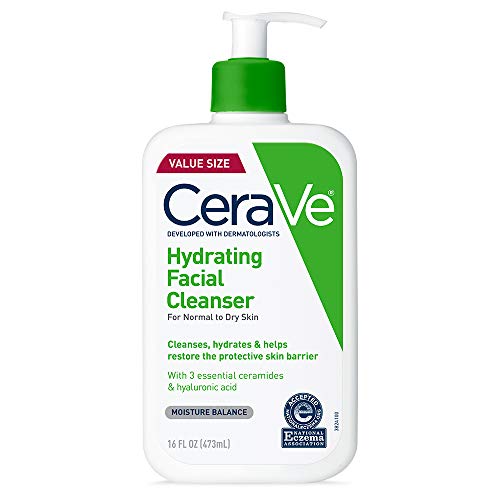
Mild creamy cleansers designed for rosacea-prone skin clean without stripping your barrier. CeraVe Hydrating Cleanser adds ceramides that help repair your barrier while you cleanse. La Roche-Posay Toleriane Hydrating Gentle Cleanser suits extremely sensitive skin that reacts to seemingly everything.