
Teen Skincare Routine: What to Use and What to Avoid
Last updated on February 12th, 2026 at 02:01 pm
As a teenager your skin is a smart functioning system. It knows how to regulate and rejuvenate and repair everything by itself. Your cells renew at optimal levels every 21 to 28 days naturally. This is the fastest turnover you’ll ever experience and your skin barrier repairs damage overnight without needing help.
But the teen skincare routines flooding your feed work against what your skin already does well. Influencers push 10-step systems loaded with retinoids and chemical exfoliants. Your feed bombards you with products promising perfect glass skin if you just buy enough bottles.
Researchers studied these viral routines and found something concerning. Most teens now use six products daily while some pile on twelve or more. These routines cost around $168 monthly yet only one in four includes sunscreen. The one product that actually protects your skin long-term gets skipped while anti-aging ingredients you don’t need take priority.
I’m a pharmacologist who studies skincare science. You don’t need complexity. Three products used consistently work better than a shelf full of trending serums. Here’s what actually supports teen skin and what you can skip without missing out.

Skincare Ingredients Teens Should Avoid
Dead cells shed naturally and fresh cells surface without help. By your thirties this process slows to 35 days. By your fifties it takes 90 days.
These ingredients damage teen skin even though the beauty industry sells them to everyone.
Retinol and Retinoids
These treat wrinkles and sagging by forcing faster cell turnover. You don’t have wrinkles because your collagen production runs at peak levels right now. Your cells already renew quickly without chemical intervention.
Retinoids irritate intensely. You’ll see redness and peeling and dryness within days. Your skin barrier is still developing through your teenage years. It can’t handle this level of disruption and the damage compounds over time.
Dermatologists sometimes prescribe tretinoin for severe acne and monitor you closely while you use it. This is medical treatment for a diagnosed condition. Buying retinol serums at Sephora because TikTok said to start early is completely different. Skip all retinol products unless your dermatologist prescribes one for your acne.
Chemical Exfoliating Acids
AHAs like glycolic acid and lactic acid and mandelic acid dissolve the bonds holding dead skin cells together. This reveals smoother skin underneath. Adult skin benefits because turnover has slowed. Your turnover rate is optimal already so these acids create irritation without providing benefit.
The Northwestern researchers found these acids in most teen TikTok routines they studied. High concentrations at 10% and above burn and increase sun sensitivity. Even 5% concentrations are too harsh for most teen skin.
Salicylic acid works differently and helps with acne at 0.5% to 2% when used as a spot treatment. But higher concentrations or daily application all over your face damage your barrier. This can make breakouts worse instead of better.
High-Strength Vitamin C and Other Unnecessary Actives
The Ordinary sells a 30% vitamin C suspension but this concentration irritates even adult skin. The product also oxidizes quickly when exposed to air and light so you’ll notice it turning orange or brown. Once degraded it damages your skin and does nothing helpful.
Skip anti-aging peptides too. These signal your skin to produce more collagen and elastin. You already produce plenty of both. You also don’t need harsh walnut scrubs that create micro-tears in your skin or any product labeled firming or wrinkle-reducing. Your skin is already firm. These products either clog pores or damage your barrier without solving problems you actually have.
What should you use instead? Three products.

The 3-Step Teen Skincare Routine
After all that complexity you’ve been sold, this will feel simple. Cleanse at night. Moisturize after. Protect with sunscreen every morning. These three steps work with your skin instead of fighting it. That’s it. No serums. No toners. No ten-step systems.
Step 1: Cleanse at Night
Wash your face before bed because sunscreen and oil build up during the day. Morning cleansing is optional. If you wake up with oily skin go ahead and wash but if your face feels normal or dry just rinse with water.
Your cleanser should feel gentle because tight stripped skin signals you’re using something too harsh. Look for pH-balanced formulas between 4.5 and 5.5 since this matches your natural skin acidity. Fragrance-free options prevent unnecessary irritation.
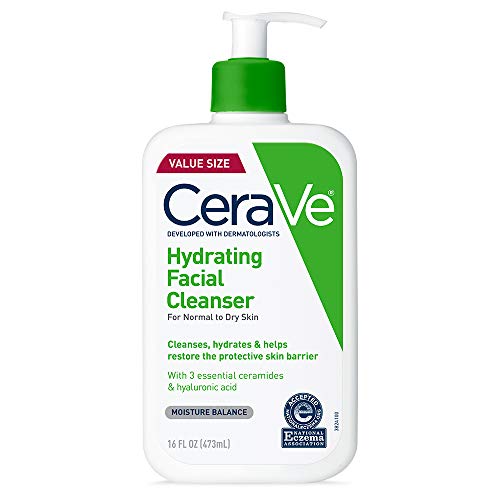
Wet your face with lukewarm water because hot water strips away protective oils. Massage cleanser onto your skin for thirty seconds then rinse thoroughly and pat dry. CeraVe Hydrating Facial Cleanser and Cetaphil Gentle Skin Cleanser both work well for most skin types. Choose either one based on what’s available where you shop.