

Winter Skincare Routine for Dry Skin

Last updated on April 9th, 2026 at 04:29 pm

Cold weather can cause real barrier damage if you don’t take your winter skincare routine seriously. When cold air settles in and humidity drops, water gets pulled right out of your skin through transepidermal water loss, and your protective barrier starts breaking down, leaving you with dry, tight, and reactive skin.

As a pharmacologist, I want to help you get ahead of that. What your skin needs in winter is a proper routine built around barrier repair, not a shelf full of new products. This guide walks you through exactly that.

And if your skin is combination or oily with dry patches in winter, this routine works for you too. The product recommendations cover a range of skin types throughout, so you can adjust as needed.

Winter Skincare Routine for Dry Skin
  • This post contains affiliate links. All recommendations based on ingredient research and formulation analysis. Purchasing from this link helps this site at no additional cost to you. Please read our affiliate disclosure for more information

How Cold Weather Breaks Down Your Skin Barrier

Your winter skincare routine for dry skin starts with understanding why cold weather does what it does to your barrier. It’s made up of cells held together by natural fats called lipids, and that structure needs water to stay functional. Cold weather attacks it from two directions at once.

Outside, cold air holds almost no moisture, so water escapes from your skin faster than normal through a process called transepidermal water loss. Inside, central heating warms the air but strips it of humidity, so your skin keeps losing water even after you’ve come indoors. You’re moving between these two environments all day, and your barrier takes the hit each time.

As those lipids break down, your skin loses water even faster, and irritants that would normally be blocked start slipping through. That’s what causes the tightness, flaking, cracking, and sensitivity that show up every winter.

Barrier damage is reversible, but you need to stop the things that are making it worse before repair can actually happen. That’s what this routine does.

The first step has nothing to do with products because the damage starts before you even reach for your cleanser.

Step 1: Shower Smart

The most important thing you do after your shower is apply your moisturizer while your skin is still slightly damp. Water starts evaporating the moment you step out, and moisturizing at that point traps it before it escapes. If you wait until your skin is completely dry, you’ve already lost that window.

But what happens inside the shower affects how much moisture you have left to trap. Hot water melts away the lipids that hold your skin barrier together, and winter is already doing that. I’ll be honest with you, I don’t always follow this advice because standing under scalding hot water when it’s freezing outside feels wonderful. But keep your showers under 10 minutes, use warm water instead of hot, and a quarter-sized amount of body wash is enough.

Product recommendations:

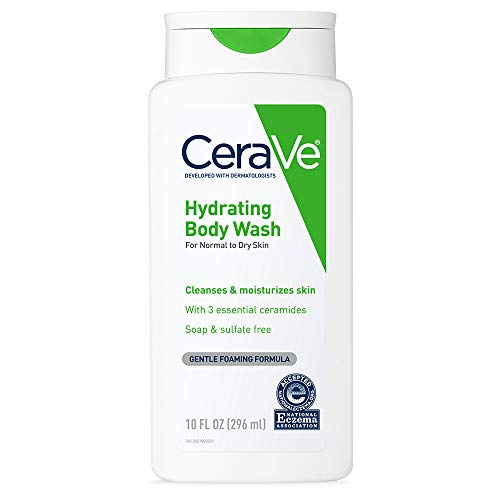
For body wash, CeraVe Hydrating Body Wash has ceramides and hyaluronic acid that cleanse without stripping, so your skin holds onto moisture from the moment you step out.

For a damp-skin moisturizer, Eucerin Advanced Repair Body Lotion absorbs quickly on damp skin and has ceramides and natural moisturizing factors that lock in moisture before it escapes, so your body stays hydrated throughout the day.
Once you’ve sorted out your shower habits, the next thing to look at is what you’re actually cleansing with.

Step 2: Cleanse Gently

For dry skin in winter, a hydrating cream cleanser is your best option because it cleanse without pulling moisture out of your skin. Your face only needs a dime to nickel-sized amount, and using more than that strips your barrier fast.

Foaming cleansers work too, as long as they contain ceramides, glycerin, or hyaluronic acid. Those ingredients support your barrier while cleansing, so your skin stays comfortable and hydrated.

Product recommendations:

For cream cleansers, La Roche-Posay Toleriane Hydrating Gentle Cleanser has three ceramides, glycerin, and niacinamide, so your skin feels replenished and supported. CeraVe Hydrating Facial Cleanser has ceramides and hyaluronic acid that keep your barrier intact and your skin soft.

For foaming cleansers, CeraVe Foaming Facial Cleanser works well for normal to oily skin and has ceramides and niacinamide, so you get a thorough cleanse without compromising your barrier.

With your cleanser doing the right job, this is where the real barrier repair begins.

Step 3: Moisturize and Seal

This is the most important step in your winter routine and it works as a three-part system.

  1. Hydrate with a serum on damp skin
  2. Moisturize with a rich cream before the serum dries
  3. Seal with a thin layer of petroleum jelly on top

Each layer does a different job, and together they keep your skin from losing water throughout the day and night.

Start with a hydrating serum on damp skin. Hyaluronic acid is the most effective option here because it pulls water into your skin cells and holds it there. If you want to understand the difference between hydrating and moisturizing better, I wrote about it here: hydrating vs moisturizing.

Follow immediately with a rich cream moisturizer before the serum dries, so the moisture gets locked in rather than evaporating into the air. Winter is not the time for lightweight lotions because they don’t have enough occlusives or emollients to block water from escaping. Look for a cream with ceramides and hyaluronic acid, and apply it while your skin is still damp.

Finish with a thin layer of petroleum jelly on top to seal everything in. This is called slugging, and it works especially well on dry patches, cheeks, hands, feet, and elbows.

Product recommendations:

For hydration, CosRx Hyaluronic Acid Intensive Cream pulls water deep into your skin cells, so your skin feels plump and comfortable.

For moisturizing, CeraVe Moisturizing Cream has three ceramides, hyaluronic acid, and petrolatum in one formula for face and body, so your barrier gets everything it needs in one step. For eczema-prone or reactive skin, La Roche-Posay Lipikar AP+M has a postbiotic ingredient that rebalances your skin microbiome while restoring moisture. For mature dry skin, SkinCeuticals Triple Lipid Restore 2:4:2 has a specific ratio of ceramides, cholesterol, and fatty acids that studies show reduces retinoid irritation.

For sealing, plain petroleum jelly contains no fragrances or allergens and works everywhere on your body. If it feels too thick, Aquaphor Healing Ointment adds lanolin and glycerin for a lighter feel. For oily or acne-prone skin, La Roche-Posay Cicaplast Baume B5 absorbs faster and has vitamin B5, zinc, and copper that help your skin recover and stay resilient.

But while you’re building your skin back up, you also need to make sure you’re not wearing it down with your actives.

Step 4: Dial Back Your Actives

If you’re using retinoids, AHAs, or BHAs regularly, winter is when frequency needs to change. These actives work by increasing cell turnover and thinning the outer layer of your skin, which is what makes them effective for texture, tone, and aging. But when cold dry air has already compromised your barrier, that same mechanism becomes a source of irritation rather than improvement.

You don’t need to stop completely, but you do need to cut back. If you’re using a retinoid every night, drop to every other night or every third night. If you’re doing chemical exfoliants three times a week, dial back to once or twice. The goal is maintaining progress without setting your barrier back.

The smarter approach is what dermatologist Dr. Whitney Bowe calls skin cycling, where you alternate actives with recovery nights instead of using everything back to back. Use your retinoid one night, a chemical exfoliant on a different night, then take one or two nights off focused on hydrating and sealing. Your skin gets the treatment it needs and the recovery time it deserves, so you stay consistent without the irritation that makes people give up. If you want to build this into your full routine, here’s a complete guide to skin cycling.

Beyond what you put on your skin, the environment your skin recovers in makes a bigger difference than most people realise.

Step 5: Run a Humidifier

Indoor heating warms the air but strips it of moisture completely, and your skin is already losing water through transepidermal water loss. A heated room accelerates that process all night while you sleep.

A humidifier adds moisture back into the air, which slows down how much water your skin loses during its natural overnight repair process. Aim for 40 to 60% humidity in your bedroom, which is comfortable for your skin without creating conditions where mold can grow. If your humidifier doesn’t have a built-in humidistat, a small hygrometer costs around $10 and lets you monitor the levels yourself.

Clean your humidifier regularly too. A dirty one disperses bacteria and allergens into the air you’re breathing all night.

Product recommendation:

The Canopy Humidifier sits comfortably on a nightstand, is easy to clean, and uses a filter you replace every six weeks, so you get consistent clean moisture without complicated maintenance.

Your skincare routine can only do so much if your body is running low on what it needs to build a healthy barrier. Two things make a real difference in winter.

Step 6: Support Your Skin From the Inside

Omega-3 fatty acids from foods like salmon, walnuts, and flaxseed support your lipid barrier at a cellular level, which means your skin holds onto moisture more effectively from the inside out. And drinking enough water keeps your skin cells hydrated in a way no topical product can fully replace. It doesn’t need to be complicated. Eating well and staying hydrated through winter directly supports every step of this routine.

Step 7: Protect Your Hands and Lips

Your hands take more abuse in winter than any other part of your body. Cold air, harsh wind, frequent washing, and cleaning products strip the thin skin on the backs of your hands fast, and once it starts cracking, it takes real effort to recover.

Use your facial cleanser as hand soap where you can because it’s far gentler than most antibacterial soaps. And wear gloves when doing dishes or any wet work.

For seriously cracked hands, the petroleum jelly glove treatment is the most effective fix. Apply a generous layer to slightly damp hands, covering between your fingers and around your nails, then put on white cotton gloves. Even 30 minutes of wearing them makes a difference, but overnight is ideal. Do this consistently and your hands recover faster and stay stronger against the cold.

Your lips need the same attention. They have almost no protective barrier, which makes them easy targets for dryness and wind damage. And if your lips are constantly chapped despite regular lip balm use, the balm itself may be the problem. Ingredients like camphor, menthol, and fragrance feel soothing at first but irritate delicate lip skin over time. Plain petroleum jelly is safer and more effective because it reduces water loss without any of those irritants. Stop licking your lips too, because saliva dries them out further.

Product recommendations:

For hands during the day, Eucerin Advanced Repair Hand Cream contains ceramide-3 and AHA that hydrate and gently exfoliate, so your skin stays smooth and comfortable. If you have active cracks or fissures, stick with plain petroleum jelly until they heal.

For hands at night, plain petroleum jelly with cotton gloves creates a sealed, moisture-rich environment that lets your skin repair itself properly.

For lips, plain Vaseline is your most reliable option. Keep one in your pocket, one in your bag, and one at your desk. For daytime, For daytime, Aquaphor Lip Repair + Protect SPF 30 has zinc oxide that keeps your lips moisturized and protected from UV damage year-round.

One last step that most people quietly drop in winter, even though winter is exactly when it counts most.

Step 8: Wear Sunscreen Daily

I know sunscreen feels like the last thing on your mind when it’s freezing outside, but UVA rays penetrate through clouds and cause the same photoaging in winter that they do in summer. And if there’s snow on the ground, your exposure is actually higher because snow reflects up to 80% of UV rays back onto your skin.

Choose a water-resistant formula because it creates a more durable film that protects against UV damage and acts as a physical barrier against cold wind and dry air. Apply to all exposed areas, your face, neck, ears, and hands. Use at least SPF 30 with broad-spectrum coverage, and if you’re spending extended time outdoors, reapply every two hours.

Product recommendations:

For water-resistant coverage with no white cast, La Roche-Posay Anthelios Melt-In Milk Sunscreen SPF 60 is water-resistant for 80 minutes and absorbs quickly, so your skin stays protected without any heaviness.

For sensitive skin, EltaMD UV Clear Broad-Spectrum SPF 46 contains niacinamide that supports your barrier while protecting from UV, so your skin stays calm and protected even on the coldest days.

Bottom Line

A winter skincare routine for dry skin doesn’t need to be complicated or expensive. Shorter showers, a gentle cleanser, layered moisture, and petroleum jelly get you most of the way there. Add a humidifier, support your skin from the inside, cut back on your actives, protect your hands and lips, and wear sunscreen outside. That’s the whole routine, and it works.

FAQ

Yes. Winter air holds less moisture than summer air, so your skin loses water faster and needs more barrier support. That means switching to a richer moisturizer, adding an occlusive layer, and cutting back on actives that thin your barrier. The core steps stay the same but the products and frequency need to shift.

Squalane, jojoba, and marula oil are the most effective options because they closely mimic your skin’s natural lipids and absorb without clogging pores. Apply them after your moisturizer and before any occlusive layer for the best results.

It can. When your barrier is compromised from cold air and low humidity, your skin becomes more permeable to irritants and allergens, which are two of the main triggers for eczema flares. Consistent barrier support through moisturizing and sealing reduces that risk significantly.

With consistent barrier support, most people see noticeable improvement within one to two weeks. Severely cracked or compromised skin takes longer, sometimes three to four weeks, because barrier repair happens gradually through natural cell turnover.

Yes. Petroleum jelly is non-comedogenic, fragrance-free, and the most well-studied occlusive ingredient available. It doesn’t clog pores or cause breakouts, and it’s safe for sensitive and reactive skin types.

Similar Posts

Leave a Reply

Your email address will not be published. Required fields are marked *