10 Best Pregnancy Safe Skincare Products of 2026, Chosen by a Pharmacologist
Finding out you’re expecting is so exciting, and it also brings a flood of advice! Suddenly, everyone has an opinion on what you should eat, how you should sleep, and which creams are safe for your face. And, let’s be honest, not all of it is based on research.
Pregnancy safe skincare follows a few simple guidelines. It’s best to wait until after your baby arrives to use retinoids and hydroquinone. Keep salicylic and glycolic acid at low concentrations, and leave out fragrance, because pregnancy can make your skin more sensitive. I read the full ingredient list of every product below and only included the ones that meet all three guidelines.
In this article, you’ll discover the skincare ingredients to avoid during pregnancy and the 10 best pregnancy safe skincare products for acne, melasma, dry skin, and stretch marks. Plus, I’ve put together a simple morning and night routine to help you get started with confidence. Before trying any new product or prescription, check with your doctor or midwife, as they know your health history best.
Pregnancy Safe Skincare Products at a Glance
Need a quick overview? This table highlights each product, the skin issue it’s best for, and its main ingredients.
| Pick | Best for | Key ingredients |
|---|---|---|
| Face wash: La Roche-Posay Toleriane Hydrating Gentle Cleanser | Cleansing dry, sensitive skin without tightness | Glycerin, ceramide NP, niacinamide |
| Sunscreen: TiZO 3 Facial Mineral Sunscreen SPF 40 Tinted | Melasma and daily sun protection | Titanium dioxide, zinc oxide, iron oxides |
| Acne wash: PanOxyl Acne Creamy Wash | Clearing breakouts | 4% benzoyl peroxide |
| Azelaic acid: The Ordinary Azelaic Acid Suspension 10% | Acne and melasma together | 10% azelaic acid |
| Vitamin C serum: Naturium Vitamin C Complex Serum | Dull skin and dark spots | Sodium ascorbyl phosphate, L-ascorbic acid, glutathione |
| Hyaluronic acid serum: CeraVe Hydrating Hyaluronic Acid Serum | Dry or dehydrated skin | Hyaluronic acid, glycerin, ceramides |
| Moisturizer: La Roche-Posay Toleriane Double Repair Face Moisturizer | Daily hydration and barrier support | Glycerin, ceramide NP, niacinamide |
| Moisturizer with SPF: Vanicream Facial Moisturizer SPF 30 | Hydration and sun protection in one step | Zinc oxide, ceramides, squalane |
| Retinol alternative: The INKEY List Bakuchiol Moisturizer | Smoother skin while retinol is paused | Bakuchiol, squalane, sacha inchi oil |
| Stretch mark cream: Mustela Stretch Marks Cream Fragrance Free | Keeping your belly, hips, thighs, and breasts moisturized | Shea butter, avocado oil |
How I Chose These Products
As a pharmacologist, I begin every pregnancy safety check with a simple question: how much of the ingredient gets through your skin and into your bloodstream? The answer varies widely from one ingredient to another, and that difference shaped this entire list.
Hydroquinone is at the higher end of the spectrum. In a study with human volunteers, about 45% of a 2% hydroquinone cream was absorbed into the body after 24 hours on the skin. With that much getting through, and limited research on hydroquinone during pregnancy, it’s best to wait until after your baby arrives to use it.
What happens to an ingredient after your skin absorbs it also shapes its safety. Benzoyl peroxide turns into benzoic acid as it moves through your skin, and benzoic acid is a common food preservative that your body already breaks down and clears through your urine. In a study of people using a benzoyl peroxide gel twice a day, most had no detectable benzoic acid in their blood, and dermatologists consider benzoyl peroxide safe in limited amounts during pregnancy.
Next, I reviewed the safety evidence for each active ingredient and checked every full ingredient list for hidden retinoids like retinyl palmitate. I also opted for fragrance free formulas, as pregnancy can make your skin more sensitive. Every product on this list passed these checks.
Skincare Ingredients to Avoid During Pregnancy
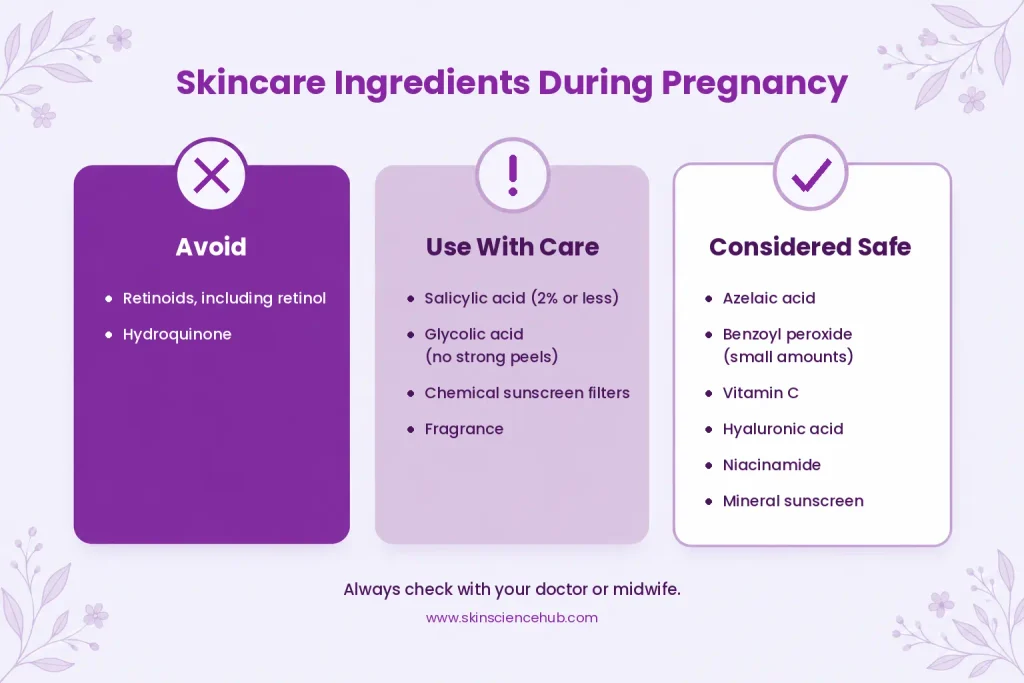
Retinoids and hydroquinone are the two main ingredients to avoid during pregnancy, while salicylic acid, glycolic acid, chemical sunscreen filters, and fragrance call for a little extra care.
Retinoids, Including Retinol
Retinoids belong to the vitamin A family, and they include tretinoin, adapalene, tazarotene, trifarotene, retinol, retinal, and retinyl palmitate. Isotretinoin, the retinoid you take orally for severe acne, can cause serious birth defects. Your skin absorbs far less from creams, yet doctors still suggest avoiding all retinoids while you’re pregnant, just to be safe. That includes adapalene gels you can buy without a prescription, like Differin. The retinoids vs retinol guide breaks down how these types differ.
Retinoids also show up in products that don’t mention them on the front. For example, Bio-Oil, a popular stretch mark oil, contains retinyl palmitate and added fragrance, which is why it’s not on this list. To find a hidden retinoid, look for “retin” anywhere in the ingredient list.
Hydroquinone
Your skin absorbs far more hydroquinone than most skincare ingredients. Since there’s not much research on its safety during pregnancy, dermatologists suggest waiting until after your baby is born to use it. Azelaic acid is considered safe during pregnancy and fades dark spots and melasma, and the azelaic acid vs hydroquinone guide compares the two.
Prescription Acne Treatments
If you’re using prescription tretinoin, tazarotene, or trifarotene, or taking isotretinoin, spironolactone, or a tetracycline antibiotic like doxycycline or minocycline, please get in touch with your doctor right away. They’ll help you find a treatment that’s safe during pregnancy.
Ingredients to Use With Care
Salicylic acid
Keep salicylic acid at 2% or less, which is the limit the American Academy of Dermatology recommends, and wait until after your baby arrives for stronger peels. Lower strength face washes are generally considered safe for short term use, and they help clear pores and soothe breakouts. The salicylic acid guide explains how it works.
Glycolic acid
Strong at-home chemical peels are best saved for after your baby arrives. For everyday use, glycolic cleansers, toners, and serums are considered low risk during pregnancy, because very little glycolic acid reaches your bloodstream from cosmetic products. There aren’t any human pregnancy studies yet, although some dermatologists suggest using it at night to help prevent and fade dark patches.
Chemical sunscreen filters
An FDA study found that six popular chemical filters, including oxybenzone and avobenzone, reach your bloodstream after one generous application. However, the researchers stressed that this doesn’t mean you should ditch sunscreen altogether. For those expecting, mineral filters such as zinc oxide and titanium dioxide are the gentler choice, and dermatologists recommend them because they’re less likely to irritate sensitive skin. Some sunscreens sold as mineral also contain a chemical filter, so check that the active ingredients list only zinc oxide, titanium dioxide, or both.
Fragrance
Fragrance is the most common cause of allergic reactions to cosmetics, and the American Academy of Dermatology also recommends using essential oils in moderation during pregnancy. Fragrance free products are less likely to irritate sensitive skin, and the fragrance guide shows you how to spot fragrance on a label.
1. Best Pregnancy Safe Face Wash: La Roche-Posay Toleriane Hydrating Gentle Cleanser

If pregnancy has made your skin feel drier or more sensitive, a creamy cleanser is a great first step. La Roche-Posay Toleriane Hydrating Gentle Cleanser pairs a mild cleansing base with glycerin, ceramide NP, and niacinamide, so it removes dirt and oil while keeping your face soft. Plus, it’s fragrance free, and every ingredient in it is suitable for pregnancy, making it a simple, safe face wash for morning and night.
If you’re looking to save money, CeraVe Hydrating Facial Cleanser combines three ceramides with hyaluronic acid in a similar fragrance free formula.
For more cleansing tips, check out how to wash your face and how to choose the right cleanser.
2. Best Pregnancy Safe Sunscreen for Melasma: TiZO 3 Facial Mineral Sunscreen SPF 40 Tinted
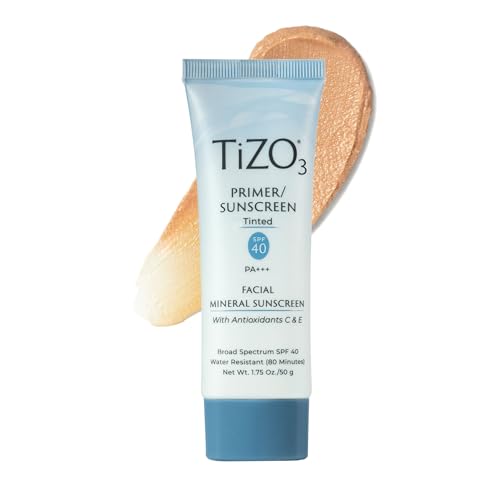
Melasma shows up as those pesky brown patches on your cheeks, forehead, and upper lip, and almost 25% of pregnant women had it in one large study. UV rays and visible light both darken these patches, so you need a pregnancy safe sunscreen that shields against both. TiZO 3 does exactly that, because its mineral filters, 8% titanium dioxide and 3.8% zinc oxide, block UV rays, while its iron oxide tint protects against visible light. Plus, it’s fragrance free, water resistant for up to 80 minutes, and has a silky, matte finish that works on its own or under makeup
The tint suits light to medium skin tones. If you have deeper skin, Neutrogena Purescreen+ Mineral UV Tint SPF 30 comes in Medium Deep and Deep shades, both containing iron oxides.
If melasma has already taken hold, azelaic acid helps fade it, and the azelaic acid for hyperpigmentation guide shows you how to use it.
3. Best Acne Wash for Pregnancy: PanOxyl Acne Creamy Wash (4% Benzoyl Peroxide)
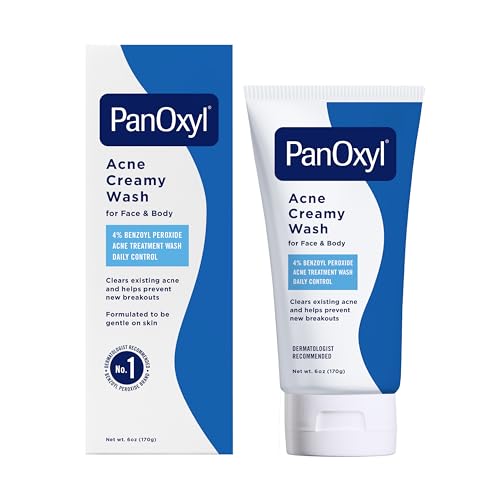
Pregnancy hormones can cause breakouts, and benzoyl peroxide is one acne treatment that dermatologists consider safe in small amounts during pregnancy. Your skin only takes in about 5% of it, and that little bit turns into benzoic acid, a common food preservative that your body gets rid of easily. PanOxyl’s fragrance free creamy wash kills the bacteria that cause acne at 4%, a lower strength than the brand’s 10% foaming wash. You just rinse it off after a minute or two, which helps keep your exposure to a minimum.
Benzoyl peroxide can bleach fabric, so it’s best to use a white towel and pillowcase. If you want to learn more about how it works, check out the benzoyl peroxide guide and the hormonal acne guide.
4. Best Pregnancy Safe Azelaic Acid: The Ordinary Azelaic Acid Suspension 10%

Azelaic acid is great for tackling both acne and melasma, and the American Academy of Dermatology considers it safe to use during pregnancy. It helps reduce inflammation, fights the bacteria that cause breakouts, keeps your pores clear, and slows down the extra melanin that leads to dark patches. The Ordinary’s fragrance free suspension offers you 10% azelaic acid without needing a prescription.
To get the best results, apply it as your final step before your moisturizer, because the cream gel might clump up with lighter serums. You might experience a mild tingle in the first few weeks, but it usually goes away. If you’re dealing with stubborn melasma, your doctor can suggest 20% prescription azelaic acid, which has been researched for melasma. The azelaic acid guide breaks down how it works, and the best azelaic acid products list has more choices to explore.
5. Best Pregnancy Safe Vitamin C Serum: Naturium Vitamin C Complex Serum
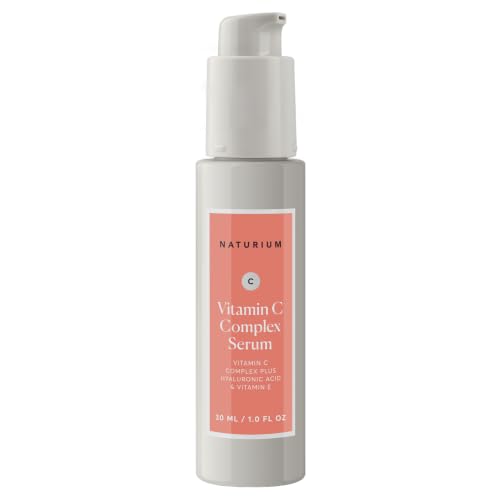
Vitamin C is a great way to brighten your skin and fade dark patches during pregnancy! The American Academy of Dermatology’s pregnancy guide suggests using it in the morning. As an antioxidant, it helps protect your skin from sun damage and slows down tyrosinase, the enzyme that creates melanin. Naturium mixes two types of vitamin C, L-ascorbic acid and the more stable sodium ascorbyl phosphate, with glutathione, another antioxidant. It’s fragrance free and adds an extra layer of antioxidant protection under your morning sunscreen.
If you’re looking to save money, e.l.f. Bright Icon Vitamin C + E + Ferulic Serum pairs vitamin C with vitamin E and ferulic acid, a combination with strong research behind it for fading dark spots. Results build gradually, so use either serum daily for a few months. You can find more tips in the vitamin C serum guide and the vitamin C for hyperpigmentation guide.
6. Best Pregnancy Safe Hyaluronic Acid Serum:: CeraVe Hydrating Hyaluronic Acid Serum

Hyaluronic acid is a safe choice when you’re pregnant, because it mainly acts on your skin’s surface. It helps draw in water, keeping your face soft and hydrated. CeraVe’s serum mixes sodium hyaluronate, a type of hyaluronic acid, with glycerin, which also attracts water, and three ceramides that help keep that moisture locked in. Plus, it’s fragrance free, so it gently hydrates dry or dehydrated skin.
You can apply it after cleansing, either on its own or under your moisturizer. If you’re interested in more about hydration, check out hydrating vs moisturizing and dry vs dehydrated skin.
7. Best Pregnancy Safe Moisturizer: La Roche-Posay Toleriane Double Repair Face Moisturizer

This lightweight, fragrance free cream is a lovely pregnancy safe moisturizer for normal, combination, and dry skin. Glycerin draws water into your skin, while ceramide NP and squalane help lock it in, and niacinamide, a form of vitamin B3, strengthens your skin barrier. It’s gentle enough to use morning and night, so your skin stays soft and comfortable all day.
Pick the version without SPF, because the SPF 30 version relies on chemical filters, while mineral sunscreen is the gentler choice during pregnancy. For more niacinamide, check out the best niacinamide serums, and the ceramides guide explains how ceramides work.
Ready to learn more on skincare ingredients?
8. Best Moisturizer With SPF for Pregnancy: Vanicream Facial Moisturizer SPF 30

If you’d like to moisturize and protect your skin in one step during pregnancy, Vanicream does both. Its only sunscreen filter is 19.5% zinc oxide, and studies show zinc oxide particles stay on the surface layer of your skin. Together with five ceramides, squalane, and glycerin, it provides moisture and sun protection in one gentle, fragrance free formula for dry, sensitive skin.
Zinc oxide can leave a white cast on deeper skin tones. If that’s a concern, Neutrogena Purescreen+ Mineral UV Tint SPF 30 in Medium Deep or Deep blends in more easily, and the best sunscreens for dark skin guide has more options. If you’ll be swimming or sweating, switch to a water resistant sunscreen like TiZO 3, and reapply every 2 hours when you’re outdoors.
9. Best Retinol Alternative for Pregnancy: The INKEY List Bakuchiol Moisturizer

If you were using retinol before pregnancy, bakuchiol is a gentle retinol alternative while retinol is on pause. This plant compound reduced wrinkles and dark spots about as well as retinol in a small 12 week trial, with less scaling and stinging. INKEY pairs it with squalane and sacha inchi oil in a simple, fragrance free formula that softens and hydrates your skin.
Bakuchiol hasn’t been studied in pregnancy yet, so check with your doctor before adding it to your routine. Use it in place of your regular moisturizer after cleansing. The bakuchiol vs retinol guide compares the two, and the best retinol alternatives list has more options.
10. Best Pregnancy Safe Stretch Mark Cream: Mustela Stretch Marks Cream Fragrance Free

Stretch marks are pretty common during pregnancy, affecting anywhere from 50% to 90% of women. Unfortunately, there’s no cream that’s been shown to stop them from happening. But a good stretch mark cream helps keep your skin soft and hydrated as it stretches. Mustela’s fragrance free formula does just that with shea butter, avocado oil, and glycerin, leaving your belly, hips, thighs, and breasts smooth and moisturized.
Mustela also offers a scented version, so make sure the label says Fragrance Free. You can apply it both morning and night, and after birth, be sure to keep it away from any fresh cesarean scars. The skin elasticity guide has even more tips for taking care of your stretching skin.
Pregnancy Safe Skincare Routine
A simple routine is all you need during pregnancy, so you don’t have to use all 10 products. Start with a cleanser, moisturizer, and sunscreen, then add a treatment only for the skin concern you have.
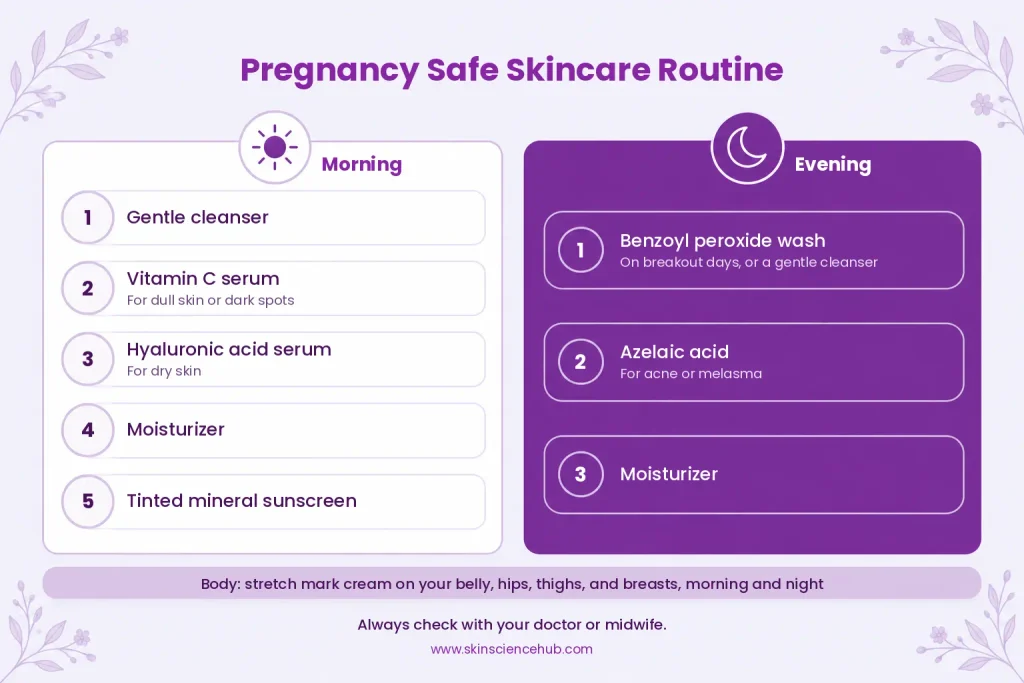
Morning
- Gentle cleanser (La Roche-Posay Toleriane Hydrating Gentle Cleanser)
- Vitamin C serum, if you have dull skin or dark spots (Naturium)
- Hyaluronic acid serum, if your skin feels dry (CeraVe)
- Moisturizer (La Roche-Posay Toleriane Double Repair)
- Tinted mineral sunscreen (TiZO 3, or Neutrogena Purescreen+ Mineral UV Tint in Medium Deep or Deep for deeper skin)
A tinted sunscreen gives you the most protection against melasma, but if you prefer fewer steps, Vanicream’s moisturizer with SPF covers steps 4 and 5 in one.
Evening
- PanOxyl wash on days you have breakouts, or your gentle cleanser
- Azelaic acid, if you have acne or melasma (The Ordinary)
- Moisturizer (La Roche-Posay Toleriane Double Repair, or The INKEY List Bakuchiol Moisturizer if your doctor approves)
PanOxyl and azelaic acid can both dry out your skin, so if it feels tight or flaky, use them on different nights.
Body
Massage Mustela’s stretch mark cream into your belly, hips, thighs, and breasts, morning and night.
For help with the order of your products, check out how to layer skincare and the day vs night routine guide. Bring this list to your next prenatal appointment and go through it with your doctor or midwife.