
What Is Skin Flooding? How It Works + Step-by-Step Routine
Last updated on March 9th, 2026 at 09:08 am
Every few months, a skincare technique goes viral and splits the internet in two. Half the people swear by it. The other half call it overrated. Skin flooding is the latest one in that hot seat.
TikTok made it famous, but Korean and Japanese skincare have been doing this for decades. The technique just got a catchier name, went viral, and suddenly everyone has an opinion.
So does it actually work? It does, but not for everyone and not the way most people try it. You’ll learn what happens when you layer products on damp skin, which skin types benefit most, and the mistake that turns hydration into irritation.

What Is Skin Flooding?
Skin flooding is layering multiple hydrating products onto damp skin, one thin coat at a time, then sealing everything in with a moisturizer. Some people also call it skin drenching. Same technique, different name.
The routine looks simple in practice. After cleansing, you apply your thinnest hydrating product while your face is still damp, a toner, essence, or lightweight serum. You let it absorb, mist to keep the skin damp if needed, add another serum or essence, then finish with a moisturizer to seal everything in. The whole thing takes about 5 to 7 minutes.
What makes it different from a regular routine is the damp skin part. You’re not waiting for your face to dry. That moisture is intentional, because damp skin absorbs ingredients more effectively than dry skin does.
The Science Behind Skin Flooding
Your skin’s outer layer works like a brick wall, where cells are the bricks and the mortar between them contains oils and moisture-binding compounds. When this layer maintains around 15 to 25% water content, your skin feels comfortable, looks plump, and functions properly.
When moisture drops below that, dead cells don’t shed properly, your barrier weakens, and irritants get through more easily. One heavy cream can only do so much against that.
Damp skin changes the equation. Water acts as a carrier, pulling ingredients like hyaluronic acid and glycerin deeper into the skin instead of letting them sit on the surface. Each thin layer absorbs before the next goes on, and the final moisturizer seals everything in so none of it evaporates.

When Skin Flooding Actually Helps (And When to Skip It)
Skin flooding delivers three things a single moisturizer often can’t: plumper skin, better moisture retention, and a stronger barrier over time. For most people though, a good moisturizer handles hydration just fine. You don’t need to layer five products to get healthy skin.
Layering makes real sense in specific situations. If you deal with persistent dryness that one product never fully fixes, if dry patches keep coming back no matter what you use, or if you’re on prescription treatments like tretinoin that compromise your barrier, skin flooding helps your skin build and hold moisture in ways a single cream can’t replicate.
Skip it if your current routine keeps your skin comfortable. Skip it too if you have active inflammation or irritation, or if products applied to damp skin usually sting. A compromised barrier needs stability first, not more layers.
The honest answer is that skin flooding isn’t for everyone. But if persistent dryness is your problem, it’s worth understanding properly before you try it.
How to Do Skin Flooding (Step-by-Step)
Start with a gentle cleanser. After rinsing, don’t dry your face completely. Pat it gently until it’s damp but not dripping, because that damp surface is what makes the whole technique work. If your skin dries while you’re reaching for products, splash it lightly with water.
Apply your thinnest product first while your skin is still damp. A hydrating toner, essence, or lightweight serum with hyaluronic acid or glycerin works well here. Use about a nickel-sized amount and pat it in gently. Give it 30 to 60 seconds to absorb.
If you want extra hydration, add a second serum with niacinamide, peptides, or additional humectants. Mist between layers if your skin dried out while waiting. Many people skip this step entirely and go straight to moisturizer, and that works fine too.
Finish with your moisturizer while your skin still feels slightly damp. A pea-sized amount for your whole face is enough. This final step locks everything in so it doesn’t evaporate. The whole routine takes 5 to 7 minutes.
Skin Flooding Routine for Dry, Oily, and Sensitive Skin
Dry skin handles this technique best. You can do it daily, using thicker serums and rich cream moisturizers with ceramides or shea butter. Don’t skip the second serum layer because your skin genuinely needs it.
Oily skin needs a lighter approach. Stick to gel-based or water-based serums and a gel moisturizer instead of cream. Two to three times a week is enough, and pull back if your pores start looking congested.
Sensitive skin can benefit, but start slowly. One extra hydrating layer on barely damp skin is enough at first, and always use fragrance-free formulas. Patch test before committing to the full routine.
Combination skin can go either way. Use lightweight products across your whole face, or apply different textures to different zones, gel serums on oilier areas and richer options on dry patches.
This approach actually comes straight from Korean skincare, where layering multiple lightweight toners and essences onto damp skin has been standard practice for decades. Korean routines typically use three to seven layers depending on skin type and season. Skin flooding is essentially that same logic with fewer steps.
Can You Over-Moisturize Your Skin?
You can genuinely overdo moisture, though most people won’t hit that point. When your skin gets too saturated with water, your barrier weakens instead of strengthens. It’s not common, but it happens.
The bigger risk comes when you combine skin flooding with strong actives. Tretinoin, benzoyl peroxide, and acids already penetrate your skin on their own. Add all that extra moisture and you’ve essentially created a highway for these ingredients to go deeper than your skin is ready for. Products you’ve used for months can suddenly start burning.
You’ll know something is wrong when products that normally feel fine start stinging, your skin feels tight despite all the hydration, or you’re breaking out more than usual. Some people notice their products sitting on top instead of absorbing, which means your barrier has had enough.
If any of this happens, go back to just a cleanser and one simple moisturizer for a few days. When you try skin flooding again, use less product per layer or skip the second serum. And if you’re using actives, keep them on separate nights so you’re not combining two intense things at once.
When you get the technique right, the difference shows up within a week or two. Skin that felt tight and dull starts looking plump and more even. Dry patches soften. Your moisturizer absorbs instead of sitting on top. It’s not a dramatic overnight transformation, but the texture shift is noticeable, and it tends to stick around as long as you stay consistent.
Do You Need Special Products for Skin Flooding?
Before you buy anything, check what you already own. If you have a hydrating serum and a decent moisturizer, you’re probably set. The technique works with basic drugstore products just as well as expensive ones. What you need is the right type of ingredients, not a specific brand.
For your first layers, you need humectants. These are ingredients that grab water and pull it into your skin. Hyaluronic acid gets all the attention, but glycerin, sodium PCA, and panthenol work just as well for most people. If you’re buying hyaluronic acid specifically, look for products mentioning multiple molecular weights because you’ll get both surface plumping and deeper hydration.
Your final moisturizer needs occlusives to seal everything in. Check the first five ingredients for dimethicone, petrolatum, squalane, or shea butter. If any of those appear early in the list, it will lock in hydration effectively.
What to skip is just as important. Avoid products with denatured alcohol, sulfates, or heavy fragrance in the first few ingredients because these disrupt the moisture balance you’re trying to build. Also skip thick balms or oils as your first layer. Those belong at the end, not the beginning, otherwise they block the hydrating layers from absorbing properly.
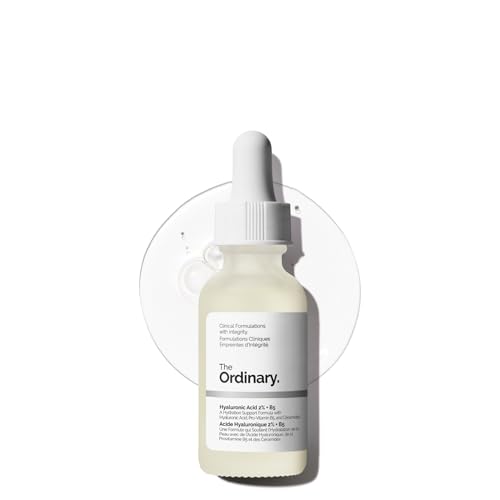
Starting from scratch? CeraVe Hydrating Hyaluronic Acid Serum has multiple HA weights plus ceramides for barrier support. The Ordinary Hyaluronic Acid 2% + B5 combines HA with panthenol and won’t break the bank. For your final seal, check your moisturizer’s ingredient list for ceramides, dimethicone, or petrolatum in the top five. Both CeraVe Moisturizing Cream and Neutrogena Hydro Boost tick that box without costing much.