Azelaic Acid vs Niacinamide: Which One Does Your Skin Need?
Last updated on September 24th, 2026
The niacinamide vs azelaic acid comparison comes up constantly. Both ingredients get recommended for acne, rosacea, dark spots, and oily skin, and side by side they look like they’re solving the same problem.
They’re not.
These two ingredients work through completely different mechanisms, and as a pharmacologist, that difference changes how you use them. Niacinamide makes your skin work better. Azelaic acid corrects what your skin can’t fix on its own. And because they do such different jobs, using both together often gives you more than either one alone.
The real question in the azelaic acid vs niacinamide comparison isn’t which one wins. It’s which one your skin needs first, whether both belong in your routine, and how to use them together when both do.
Azelaic Acid vs Niacinamide at a Glance
| Feature | Azelaic Acid | Niacinamide |
|---|---|---|
| Primary function | Corrects active skin problems at the source | Supports and optimises how your skin functions |
| Best for | Active acne, rosacea, melasma, stubborn dark spots | Oily skin, large pores, sensitive skin, general maintenance |
| How it treats rosacea | Directly targets the TLR2 receptor driving chronic redness | Supports barrier function and calms mild redness |
| Skin barrier | No direct barrier action | Increases ceramide production |
| OTC concentration | 10% | 4 to 10% |
| Tolerance | Mild tingling for first few weeks, settles by week four | Very well tolerated, minimal reaction |
| Role in your routine | Targeted treatment | Daily support |
How Niacinamide Works
Niacinamide is vitamin B3, and when you apply it topically, it works on several fronts at once. It increases ceramide production in your barrier, keeping moisture in and irritants out, which is why sensitive skin often calms down with regular use. It also works at the sebaceous gland level to reduce oil production, so oily skin tends to look noticeably less shiny within a few weeks. And it blocks melanin transfer to skin cells, making it harder for new dark spots to form and helping existing ones gradually fade. And because it suppresses inflammatory signals, redness and reactivity come down over time.
Most good OTC products sit between 4 and 10 percent. Above 10 percent adds little extra benefit and can cause flushing in some people. Below 2 percent is generally too low for visible change.
How Azelaic Acid Works
Azelaic acid is a naturally occurring dicarboxylic acid found in grains like wheat, rye, and barley. Your skin produces small amounts of it too. When you apply it, it works through several mechanisms at once. It kills acne-causing bacteria by disrupting cell function at the membrane level. It normalises how skin cells shed inside hair follicles, preventing the buildup that leads to clogged pores. And it inhibits tyrosinase, the enzyme that controls melanin production, so it reduces pigment at the source.
OTC products typically contain 10 percent. Prescription formulations reach 15 to 20 percent for more resistant cases.
Which One Is Right for Your Skin Concern
For Acne
Azelaic acid is the primary treatment. It kills Cutibacterium acnes, the bacteria at the root of most breakouts, and normalises how skin cells shed inside hair follicles so pores stay clearer over time. And niacinamide reduces sebum production and calms inflammation, so breakouts become less frequent and less intense. Together they cover the bacterial, follicular, inflammatory, and sebum drivers of acne.
Read how azelaic acid clears breakouts in Azelaic Acid for Acne.
For Rosacea
Azelaic acid leads here. In rosacea skin, a receptor called TLR2 gets stuck in the on position and fires constantly, driving redness, flushing, and inflammation even when there’s no real trigger. Azelaic acid targets that switch directly, which is why the improvement tends to be lasting. Niacinamide supports the barrier and works well for very mild rosacea. Add it alongside azelaic acid once your routine is established.
Read how azelaic acid treats rosacea in Azelaic Acid for Rosacea.
For Hyperpigmentation and Dark Spots
Both ingredients fade dark spots, just through different points in the same pathway.
Azelaic acid goes after melanin production at the source. It inhibits tyrosinase, the enzyme that triggers melanin, so pigment never fully forms. Niacinamide works one step later, blocking melanin transfer so pigment never reaches the skin’s surface.
Two different mechanisms, same destination.
Azelaic acid leads for stubborn melasma and deeper pigmentation. Niacinamide brightens the surface and prevents new spots from forming. And if you’re dealing with post-inflammatory hyperpigmentation from acne, both together give you the best result, since you’re stopping production and blocking transfer at the same time.
Read how azelaic acid fades dark spots in Azelaic Acid for Hyperpigmentation.
For Oily Skin and Large Pores
Niacinamide takes this one. A 2006 study found that a 2% niacinamide moisturizer lowered sebum production in Japanese participants and reduced surface oil in Caucasian participants, which suggests it can help keep oiliness down. With less oil on your skin, pores can look smaller over time.
Add azelaic acid if your oily skin comes with breakouts and clogged pores.
For Skin Barrier and Sensitive Skin
Barrier repair is niacinamide’s territory. Azelaic acid has no direct barrier action, so if yours is compromised, niacinamide is where you need to start. Give it four to six weeks, then bring in any actives, including azelaic acid.
If you want to learn more about barrier repair, read How to Repair Your Skin Barrier.
Can You Use Azelaic Acid and Niacinamide Together
Yes. Azelaic acid and niacinamide have no known interaction, so you can use them together. Because they work so differently, the combination covers more ground than either one alone.
Niacinamide works at the barrier and sebaceous gland level. Azelaic acid works at the bacterial, follicular, and pigment level. Each does what the other can’t. Niacinamide’s barrier support can also help your skin tolerate azelaic acid more comfortably in the first few weeks.
Which Goes First, Niacinamide or Azelaic Acid?
Apply niacinamide first. Most niacinamide serums are thinner than azelaic acid products, which usually come as creams or gels, and layering from thinnest to thickest helps each product absorb properly. Give the niacinamide a minute to settle before you apply azelaic acid on top.
If you’re new to either ingredient, don’t start both at once. The section below walks you through how to introduce them and build your routine.
Good news: you don’t have to choose. My guide shows you why these two work so well together, plus 30 more ingredients.
Side Effects and Tolerance
Niacinamide is exceptionally gentle. Most people use it without any reaction at all. A brief flushing sensation can occur above 10 percent, though it passes quickly and isn’t common. True allergic reactions are rare.
Azelaic acid needs more of an adjustment period. Mild tingling, stinging, or warmth in the first few weeks is normal. It settles within four weeks, and your skin’s tolerance builds with consistent use.
Both are generally considered safe to use during pregnancy. Azelaic acid is often recommended for pregnancy acne because very little of it is absorbed into the body. Still, check with your doctor before starting any new active while pregnant.
If you’re comparing azelaic acid to a stronger brightener, read Azelaic Acid vs Hydroquinone.
How to Start and Layer Azelaic Acid and Niacinamide
Start with niacinamide.
It rarely causes any reaction, works on several skin concerns at once, and builds your skin’s tolerance. Give it four to six weeks on its own, then introduce azelaic acid. If something irritates your skin, you’ll know exactly what caused it. And if something is working, you’ll know what to credit.
Once you’re using both, apply them in this order:
- Apply niacinamide to clean, dry skin.
- Give it one minute to absorb.
- Apply azelaic acid on top. That brief pause creates a slight buffer and softens the initial tingling.
- Follow with moisturizer.
If you want to keep them in separate routines, use niacinamide in the morning under your sunscreen and azelaic acid at night. This works well if your skin is reactive or you’re new to azelaic acid.
Some products put both ingredients in one formula. The Anua Azelaic Acid 10 Hyaluron Redness Soothing Serum is a lightweight serum for sensitive and redness-prone skin that pairs 10 percent azelaic acid with a small amount of niacinamide. That niacinamide sits well below the 2 percent you’d need for visible results, so think of it as an azelaic acid serum and keep your separate niacinamide product if you want its full benefits.
Whatever approach you use, UV exposure triggers melanin production, so daily SPF protects your pigmentation progress.
If you want to learn more about layering your skincare, read How to Layer Skincare products.
Recommended Azelaic Acid and Niacinamide Products
Niacinamide
The Ordinary Niacinamide 10% + Zinc 1% gives you a full 10 percent concentration at a price that makes daily use easy. The added zinc helps regulate oiliness at the same time, so it works well for oily and acne prone skin.

Paula’s Choice 10% Niacinamide Booster layers cleanly over serums and under moisturizer, so it works alongside whatever else you’re already using.

Want more options?
- Read Best Niacinamide Serums for picks across different skin types.
Azelaic Acid
The Ordinary Azelaic Acid Suspension 10% delivers a full therapeutic dose and is widely available. The texture is slightly gritty on first application, but it absorbs well and gets to work quickly.

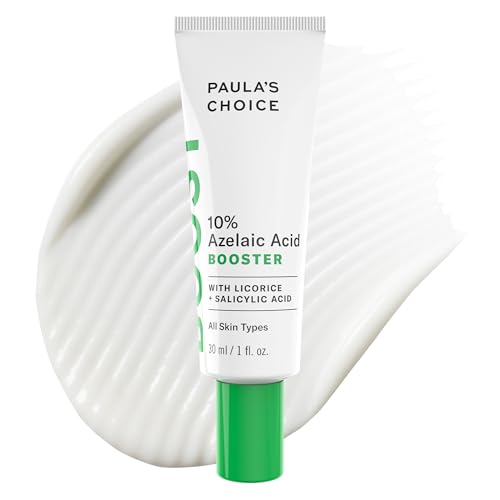
Paula’s Choice 10% Azelaic Acid Booster has a smooth cream-gel texture that fits easily into a morning or evening routine. It also contains licorice extract and salicylic acid. If your skin is sensitive, start every other night and see how it responds.
FOR MORE AZELAIC ACID PICKS
The Bottom Line
Use azelaic acid if you have active acne, rosacea, melasma, or dark spots left by acne. It targets all of them at the source.
Choose niacinamide if oily skin, large pores, or barrier repair are your main concerns. It’s also the right first active if your skin is sensitive or you’re new to actives.
Many people benefit from both. Use niacinamide as your daily foundation and azelaic acid as your targeted treatment. Start with niacinamide, give it four to six weeks, then add azelaic acid.